Best Valentine’s to Spring Decorating Transition 2026
Making the shift from Valentine’s Day to spring decorating doesn’t have to mean starting from scratch. I’ve learned that the most beautiful seasonal transitions happen gradually, and there’s something magical about watching your home evolve from romantic winter warmth into fresh spring energy. Let me walk you through exactly how I create this seamless transformation in my own space.
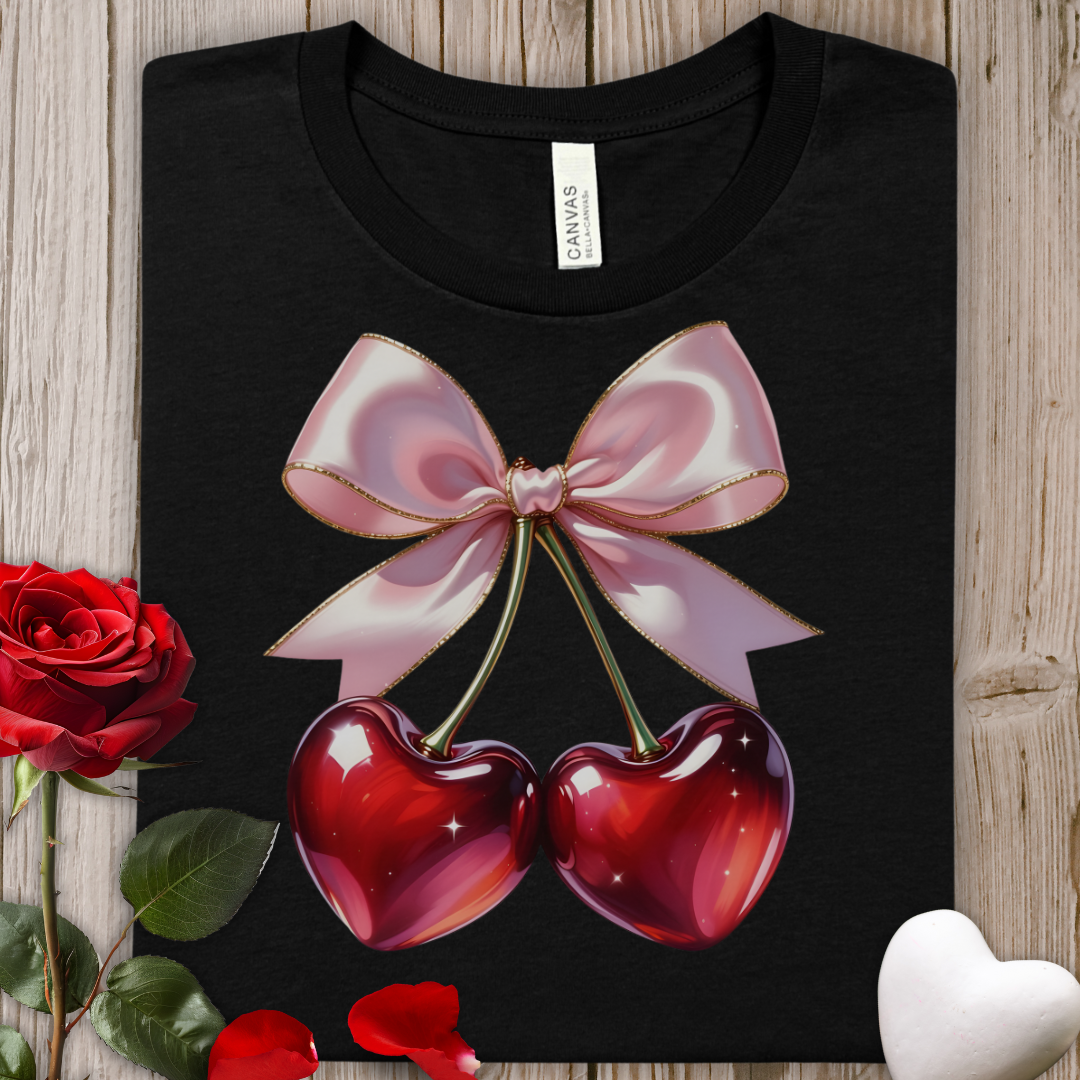
If you are looking to add some awesome seasonal shirts into your wardrobe this year, click on the images below. Use code WINTER15 for a 15% discount on top of our current sale price while supplies last. That is a total of 40% OFF!!!! We ship to the USA and Canada.


SHOP THE LOOK!


Understanding the Transition Timeline
The period between Valentine’s Day and the official start of spring is actually the perfect time to experiment with your decor. I typically begin my transition the day after Valentine’s Day, around February 15th, and continue layering in spring elements through early March. This gives me several weeks to play with the transformation without feeling rushed.
What I love about this transition is that you’re not completely stripping away everything at once. Instead, you’re thoughtfully editing your space, keeping what still feels relevant, and introducing new elements that signal the coming season. It’s like writing a story where each chapter flows naturally into the next.

The Color Palette Evolution
This is where the magic really happens. Valentine’s décor typically centers on reds, pinks, and deep romantic tones. Spring calls for lighter, brighter, more energetic colors. But here’s my secret: these palettes can actually blend beautifully if you approach it strategically.
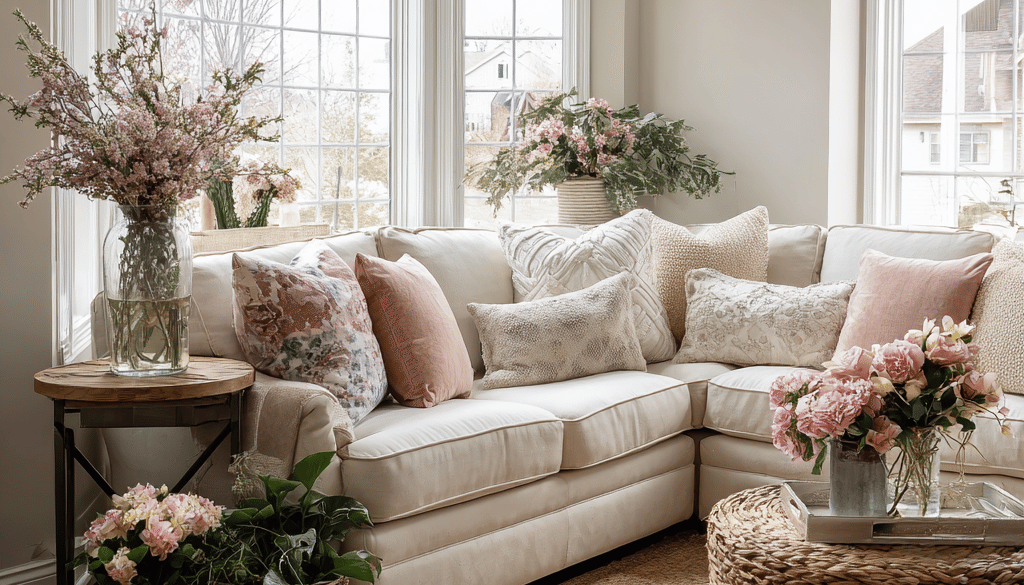
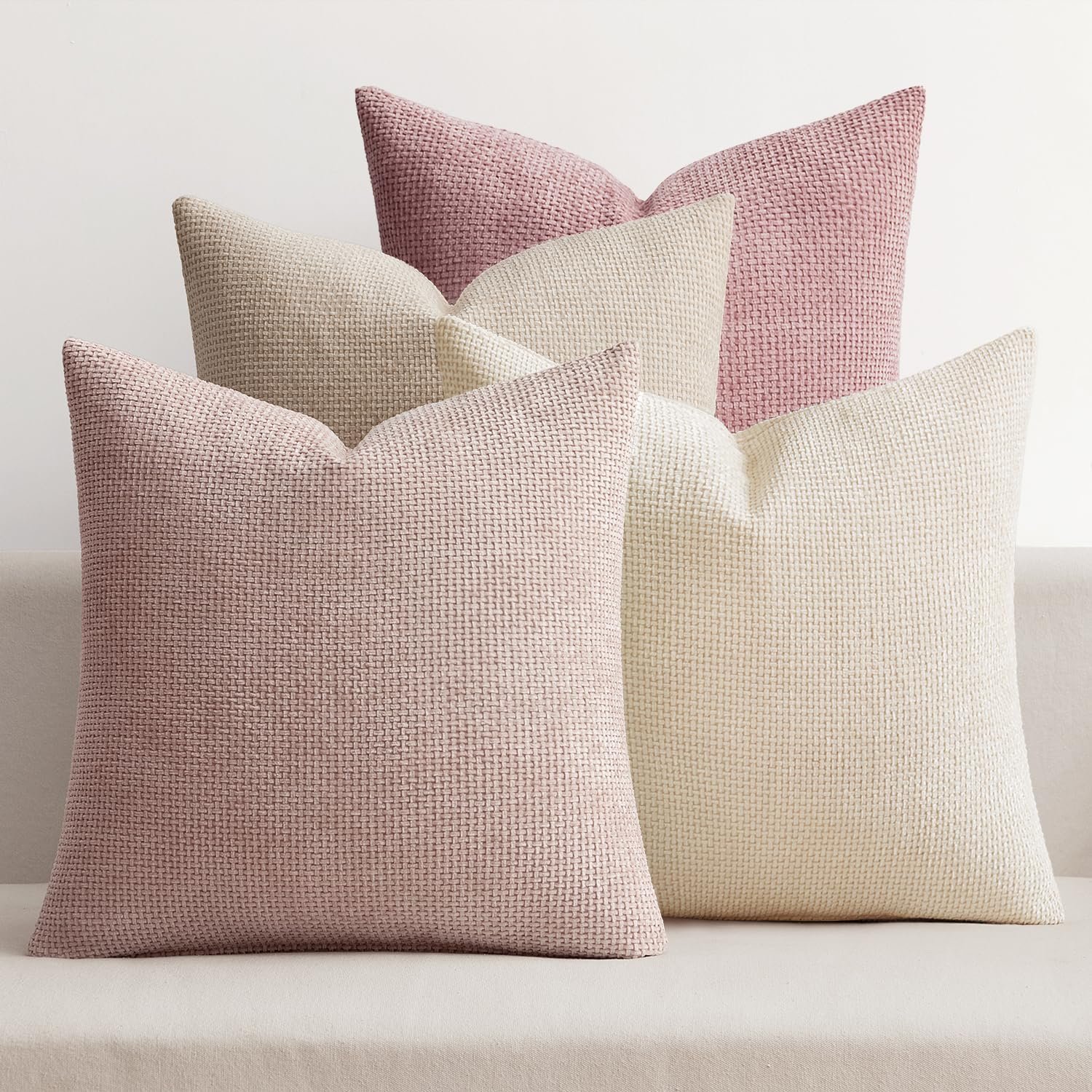
I start by identifying the pieces from my Valentine’s display that can carry over. Blush pink pillows, for instance, work perfectly in spring arrangements. Soft pink florals that adorned my Valentine’s tablescape become the foundation for my spring vignettes. Those dusty rose tones bridge the gap seamlessly.
Then I begin introducing spring’s signature colors: sage green, butter yellow, soft lavender, sky blue, and crisp white. I add these gradually through small accent pieces first. A pastel blue vase here, a yellow throw there. These lighter shades immediately brighten the space and signal the seasonal shift without creating jarring contrast.
The key is working in layers. I don’t remove all my Valentine’s pinks immediately. Instead, I lighten them. A deep burgundy blanket gets swapped for a pale blush one. Rich red candles are replaced with cream or soft coral versions. This gradual lightening of the palette mirrors what’s happening outside as winter gives way to spring.

Florals: Your Transition Best Friend
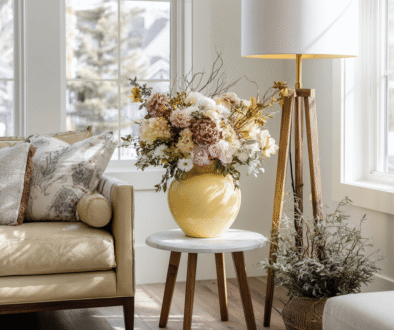
If there’s one element that makes this seasonal transition effortless, it’s flowers. Valentine’s Day already has us thinking about florals, which makes the shift to spring incredibly natural. I simply evolve the types of blooms I’m displaying.
During Valentine’s week, my home was filled with roses, ranunculus, and tulips in romantic shades. As I transition to spring, I keep the tulips but shift to lighter colors. I introduce daffodils, hyacinths, pussy willows, and cherry blossom branches. These are quintessentially spring flowers that feel fresh and optimistic.
I also change up my vessels. Valentine’s arrangements often sit in elegant crystal vases or romantic containers. For spring, I bring out ceramic pitchers, vintage bottles, galvanized metal buckets, and clear glass cylinders. These feel more casual and garden-inspired, perfect for the season ahead.
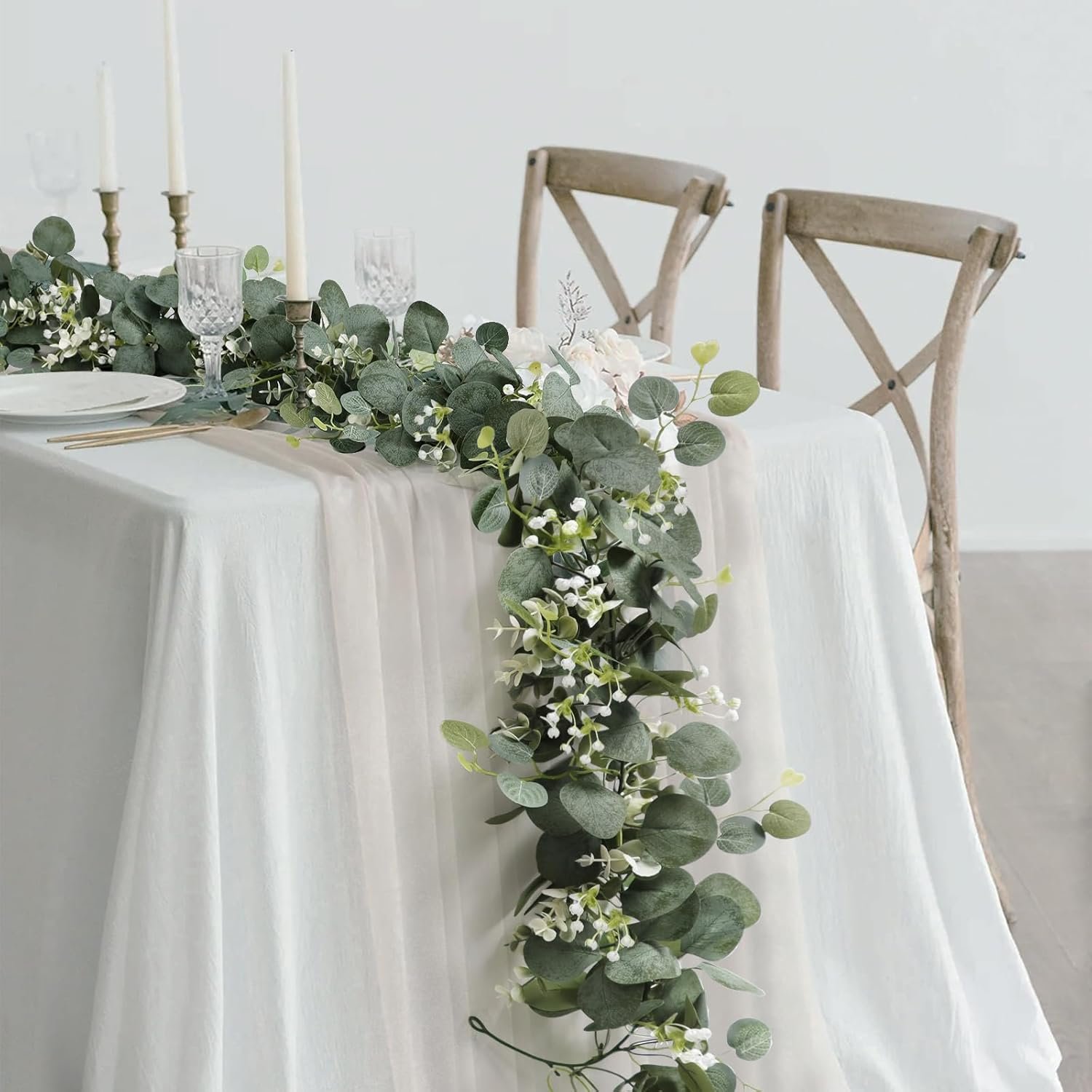
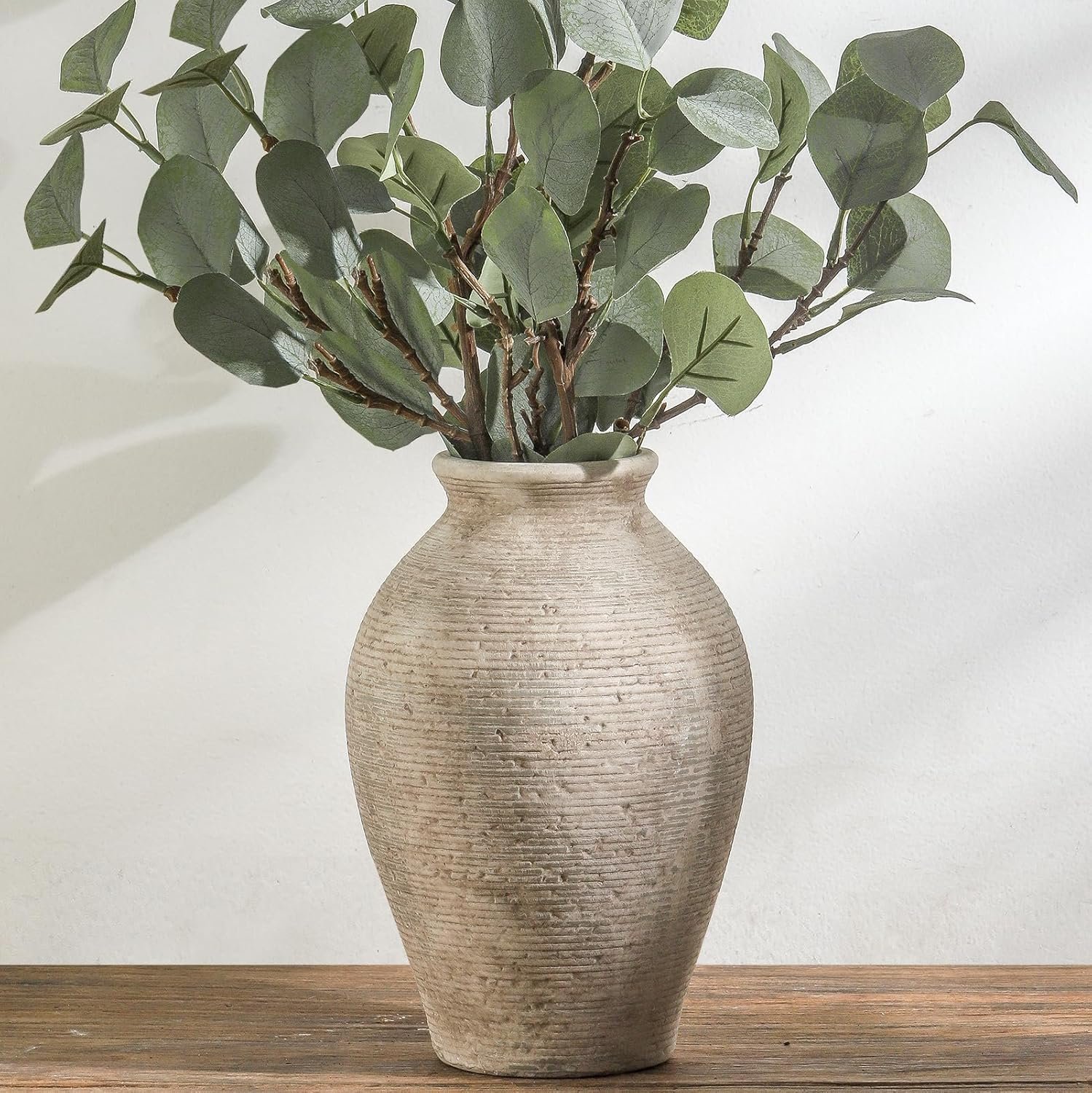
Fresh greenery becomes essential during this transition. I add eucalyptus stems, ferns, and leafy branches to my arrangements. This abundance of green immediately makes everything feel more spring-like, even if I’m still incorporating some pink or romantic elements.

Textiles and Soft Furnishings
This is one of my favorite areas to transition because the changes create immediate impact. Valentine’s décor often features velvet, satin, and plush fabrics in deep, cozy textures. Spring calls for linen, cotton, and lightweight materials in fresh, crisp textures.
I start with throw pillows. My Valentine’s velvet pillows in wine and rose colors get packed away, and I bring out cotton and linen pillows in stripes, checks, and floral patterns. Pastel solids mixed with botanical prints create that perfect spring feeling. I always include at least one or two cream or white pillows to keep things feeling light and airy.
Throws follow the same principle. Heavy knit blankets and faux fur throws get replaced with lighter cotton or linen options. I love a good French stripe throw for spring, or something in a soft chambray blue. These still provide a cozy layer for cool spring evenings but don’t feel heavy or winter-appropriate.
Don’t forget about your table linens. If you had a romantic Valentine’s tablescape with deep-colored runners or napkins, now’s the time to switch to lighter options. I bring out white linen napkins, pastel table runners, and placemats in natural materials like jute or woven grass. These subtle changes make your dining area feel completely transformed.

Refreshing Your Vignettes and Surfaces
The flat surfaces in your home—console tables, coffee tables, mantels, shelves—all need attention during this transition. I approach each vignette individually, deciding what stays, what goes, and what gets added.
On my console table, I had a romantic Valentine’s display with taper candles, roses, and heart-themed accents. For spring, I kept the candlesticks but swapped to cream-colored tapers. I replaced the roses with tulips and added elements like decorative bird’s nests, ceramic bunnies, or a small potted herb plant. The bones of the display stayed the same, but the seasonal details completely changed the mood.
My mantel transformation is always dramatic. Valentine’s décor might have featured heart garlands, romantic artwork, and clustered candles. Spring calls for something lighter and more nature-focused. I create garlands from fresh eucalyptus or faux lemon leaves. I lean botanical prints or landscape artwork against the wall. Coral or shells make an appearance if I’m feeling coastal. The whole display becomes more organic and less styled.
Coffee tables are perfect for seasonal books, which I swap out religiously. Gardening books, spring entertaining guides, and anything with beautiful floral photography goes on display. I stack them with a small potted succulent or blooming plant on top, maybe a decorative box or tray to contain smaller items.

Incorporating Natural Elements
Spring is all about bringing the outdoors in, and this is where your transition can really shine. I start collecting branches, pussy willows, and flowering stems from my yard or local flower market. These elements cost little to nothing but make enormous impact.
I fill tall vases with cherry blossom branches or flowering quince. These dramatic displays immediately signal spring and create stunning focal points. On smaller surfaces, I arrange moss-covered items, bird’s nests with speckled eggs, or small potted plants like primroses or pansies.
Natural materials extend beyond living elements. I bring in woven baskets, wooden bowls, stone accents, and anything that feels organic and earthy. These pieces connect your indoor space to the awakening natural world outside. They also tend to work across multiple seasons, making them excellent investment pieces.

Adjusting Your Lighting
This might seem subtle, but changing your lighting approach makes a real difference. Valentine’s décor often relies on warm, low lighting—lots of candles, string lights, and dim ambient glow creating romantic atmosphere.
Spring calls for brightness. I open curtains wider, remove heavy window treatments if I had them, and let in as much natural light as possible. I switch to higher-wattage bulbs in my lamps or change lampshades to lighter colors that allow more light through. The goal is to make your space feel flooded with sunshine, even on cloudy days.
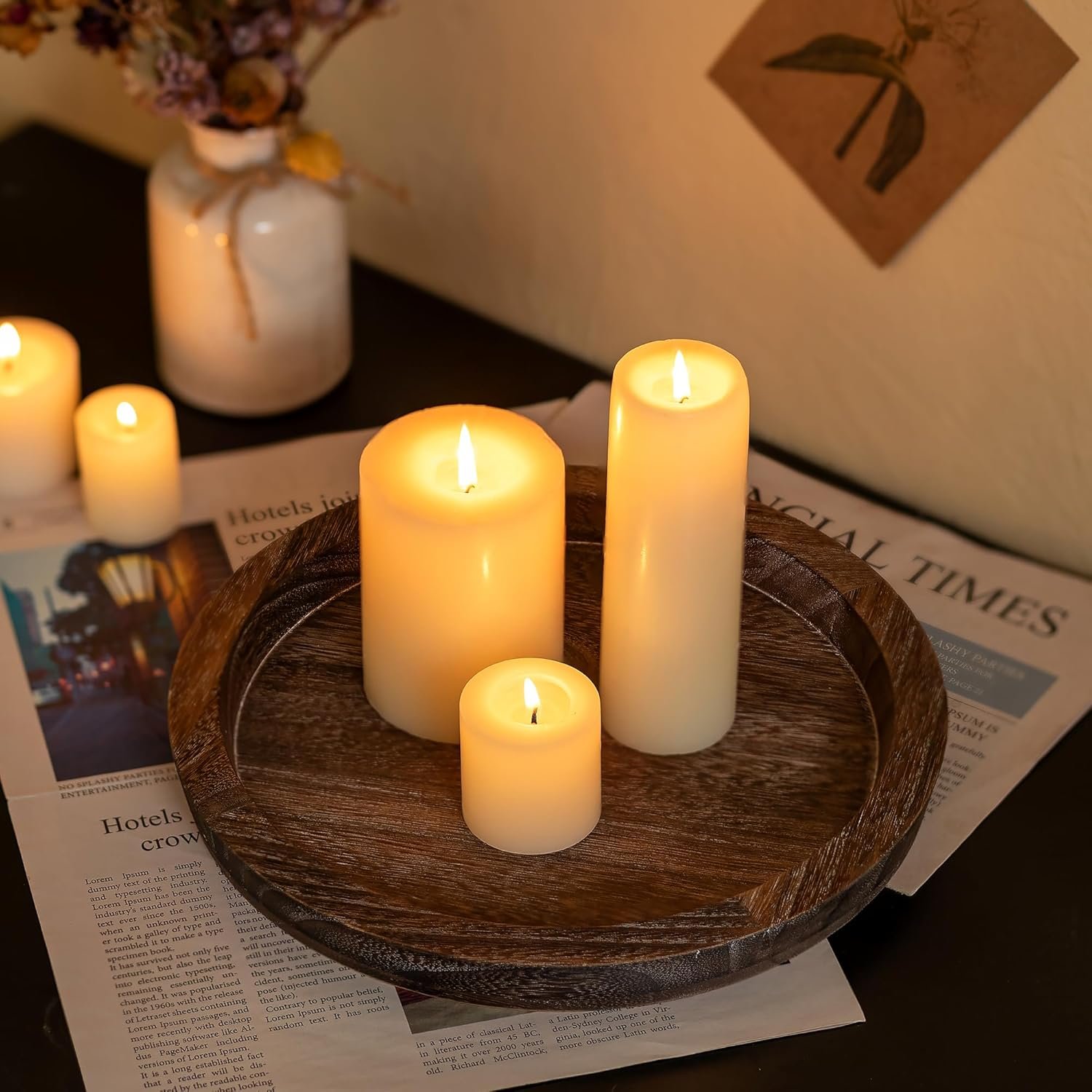
For evening lighting, I still use candles but choose unscented ones or very light scents like lemon or fresh linen. Heavy vanilla and rose scents from Valentine’s get replaced with cleaner, brighter fragrances. This olfactory shift supports the visual changes you’re making.

The Entryway Transformation
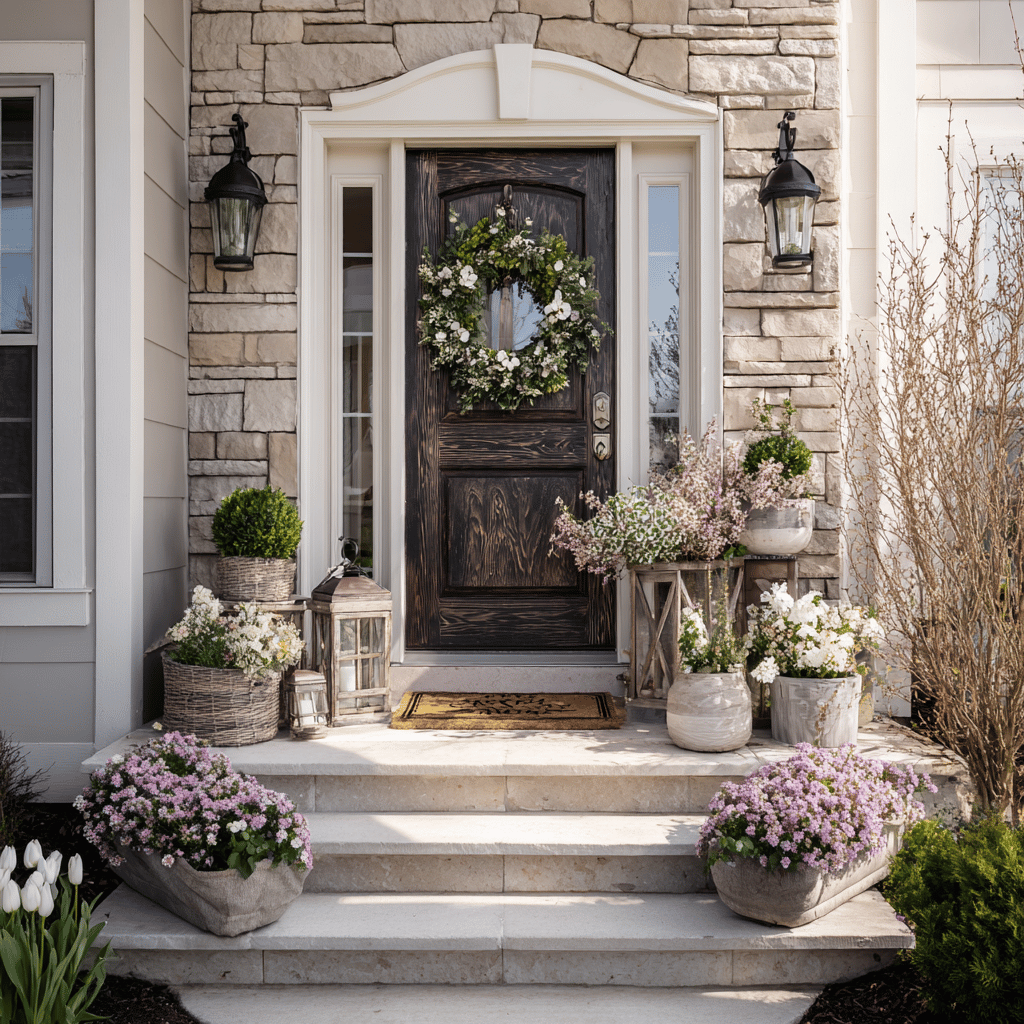
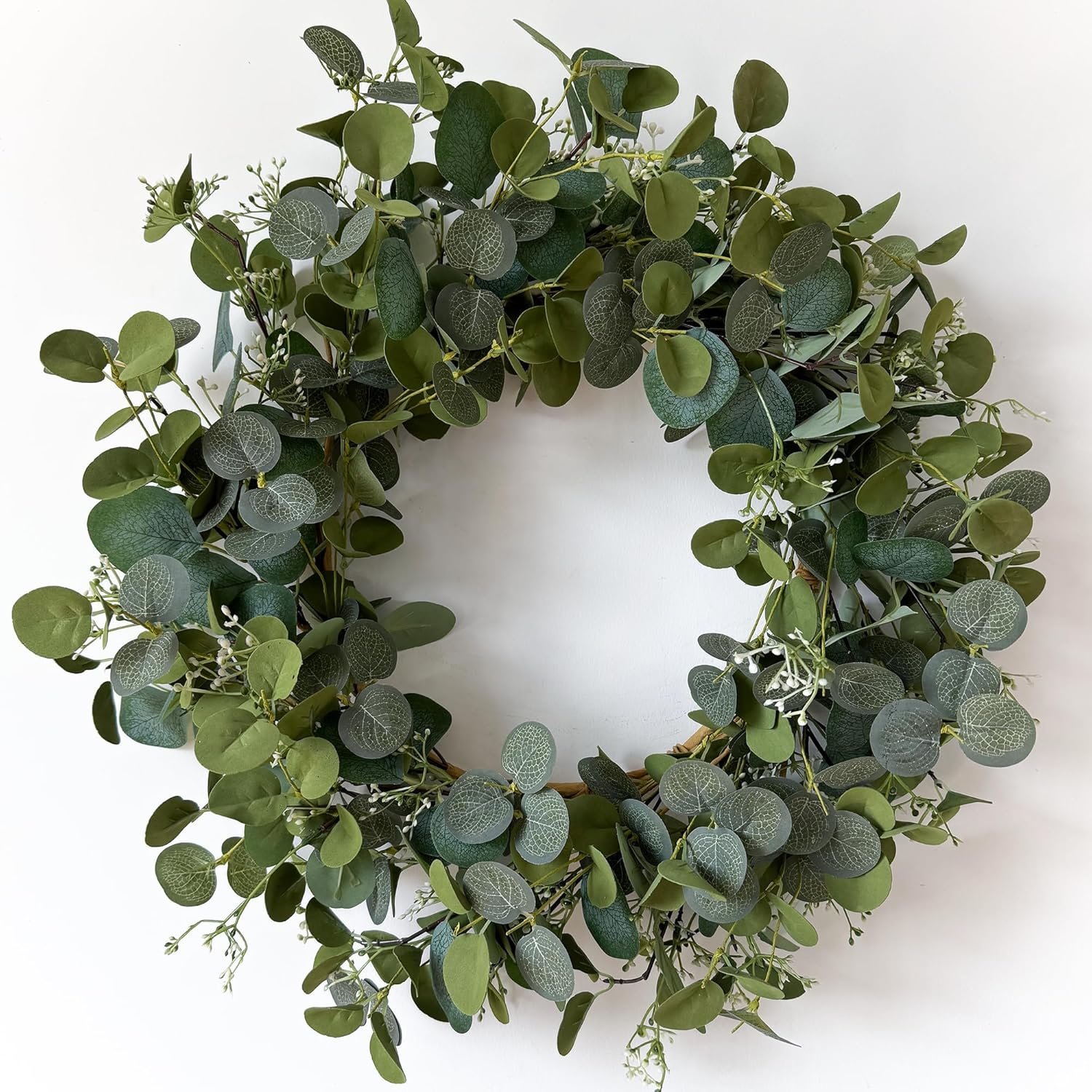
Your entryway sets the tone for your entire home, so don’t neglect this space during your transition. If you had a Valentine’s wreath on your door, it’s time for a spring version. I love wreaths made from eucalyptus, boxwood, or mixed spring flowers like forsythia and tulips.
Inside, I refresh my entry console or table with a bright arrangement, perhaps in a pitcher or vintage vase. I swap out the doormat if weather permits, choosing something cheerful like stripes or a simple “Hello” message. Any storage baskets or bins get updated to lighter colors or natural materials.
If you have a bench or seating in your entry, change the cushion or pillow to spring colors. Add a light throw blanket in case guests need it for those still-chilly spring evenings. These small touches welcome spring energy the moment anyone walks through your door.

Outdoor Spaces and Porches
If you decorated your porch or outdoor areas for Valentine’s Day, those spaces need spring attention too. I remove any Valentine-specific elements and start preparing for outdoor living season. This might mean sweeping away winter debris, washing windows, and cleaning outdoor furniture.
For porch décor, I bring out planters and fill them with pansies, violas, or other cool-weather spring flowers. I hang a spring wreath or flowering vine garland. If I have a porch swing or chairs, I add fresh cushions in spring colors. Even just placing a couple of watering cans filled with flowers creates instant spring appeal.
Don’t forget about your doorstep. A simple collection of potted plants on either side of your door, whether blooming flowers or fresh herbs, creates a welcoming spring entrance. I often use three pots in graduated sizes for visual interest.

Managing the Sentimental Pieces
Here’s something I’ve learned through years of seasonal decorating: you don’t have to pack away everything immediately, especially pieces with sentimental value. If you have Valentine’s décor that holds special meaning—maybe a gift from someone you love or a vintage piece you treasure—find ways to keep it visible.
I have a collection of vintage Valentine’s cards that I display year-round in my office. They’re in shadow boxes and feel more like art than seasonal décor. Similarly, if you have a beautiful pink vase that was part of your Valentine’s display, use it for spring tulips. That continuity actually makes your home feel more collected and personal, not just seasonally decorated.
The key is being selective. Keep one or two meaningful pieces visible, but let them take a supporting role rather than dominating your spring displays.

Bringing It All Together
The truth about transitioning from Valentine’s to spring décor is that it doesn’t have to be complicated or expensive. You’re essentially editing your current displays, lightening your color palette, introducing fresh natural elements, and creating brightness throughout your space.
I approach it room by room over several weeks, which keeps the process enjoyable rather than overwhelming. Some days I just swap out pillows in the living room. Other days I create a completely new mantel display. There’s no rush, and honestly, the gradual transformation is part of the fun.
What makes this transition particularly satisfying is that spring itself is gradual. You’re mirroring nature’s own timeline, moving from the deep quiet of winter through the romantic pause of Valentine’s into the energetic renewal of spring. Your home becomes a reflection of that beautiful natural progression.
As you work through your own transition, remember that there’s no single “right” way to do this. Your home should reflect your personal style, whether that’s cottage charm, modern minimalism, or anything in between. Use these guidelines as a starting point, then make choices that feel authentic to you and your space.
The most important thing is creating a home that brings you joy and feels appropriate for the season you’re in. When you walk through your door and feel that lift of spring energy, you’ll know you’ve gotten it exactly right.
If you love home decor and interior design as much as I do, check out these other articles I think you might like.
Best DIY Valentine’s Day Floral Arrangements for Your Home 2026