Best Brutalist Christmas 2025: Bold Holiday Style
I’ll admit, when I first thought about combining Brutalism with Christmas decorating, it seemed like an unlikely pairing. How do you merge the raw, uncompromising aesthetic of concrete and geometric forms with the warmth and joy of the holiday season? But after diving deep into this design approach, I’ve discovered that Brutalist Christmas decorating creates one of the most striking and memorable holiday looks I’ve ever experienced.
If you are looking to add some awesome seasonal shirts into your wardrobe this year, click on the images below. Use code WINTER15 for a 15% discount on top of our current fall price while supplies last. That is a total of 40% OFF!!!! We ship to the USA and Canada.




SHOP THE LOOK!





What Is Brutalist Christmas Decorating?
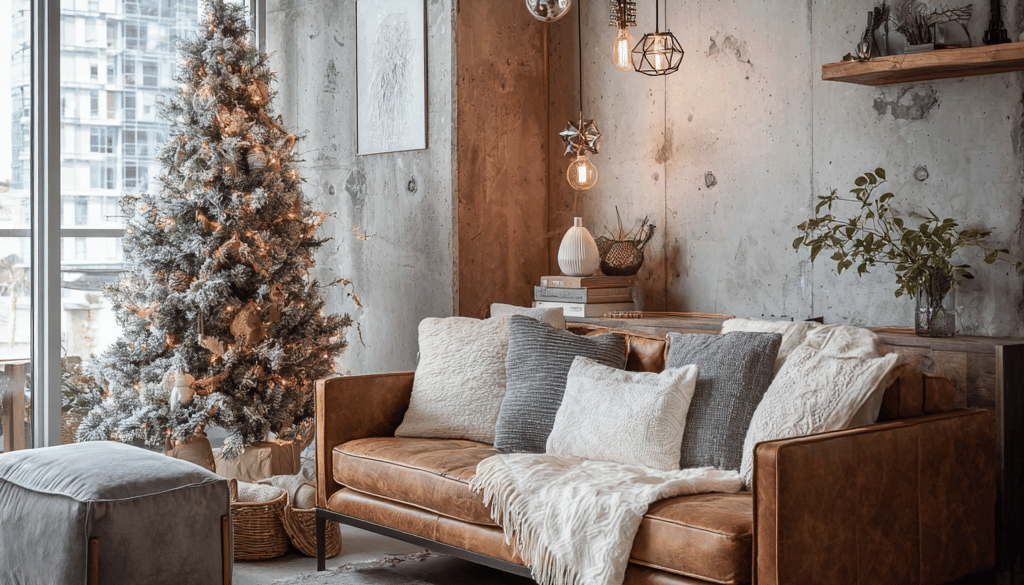
Brutalist Christmas decorating takes inspiration from Brutalist architecture—that bold, unapologetic style known for exposed concrete, geometric shapes, and raw materials. When applied to holiday decor, it means stripping away the traditional frills and focusing on structure, texture, and dramatic simplicity. Think monolithic forms, industrial materials, and a color palette that celebrates the beauty of unfinished surfaces alongside strategic pops of festive color.
I love how this style challenges everything we think we know about Christmas decorating. Instead of hiding structural elements, we celebrate them. Rather than softening edges, we embrace angular lines. And forget about matching everything perfectly—Brutalist Christmas is about creating impact through contrast and honesty of materials.

The Brutalist Christmas Color Palette
The color story for Brutalist Christmas revolves around raw, industrial tones with carefully chosen accents. I start with a foundation of concrete gray, charcoal, black, and raw wood tones. These neutral bases create the perfect canvas for introducing color in unexpected ways.
For my holiday accents, I gravitate toward deep burgundy, forest green, or burnt orange rather than bright traditional reds and greens. Metallic elements work beautifully here too. I use aged copper, brushed steel, or oxidized brass to add warmth without compromising the industrial aesthetic. Sometimes I’ll incorporate pure white as a stark contrast, creating visual drama that feels both modern and wintry.
The key is restraint. I don’t scatter color throughout every surface. Instead, I let those raw, neutral materials dominate while using color as punctuation marks that draw the eye exactly where I want it to go.

Choosing Your Brutalist Christmas Tree
The Brutalist Christmas tree becomes a sculptural statement in Brutalist decorating. I’ve found that less is definitely more here. Instead of a traditionally decorated tree dripping with ornaments, I create something more architectural and intentional.
My favorite approach is selecting a tree with strong, visible branch structure. I don’t cover every inch with decorations. I leave significant portions of the branches exposed, celebrating the natural geometry of the tree itself. When I do add ornaments, I choose oversized geometric shapes—concrete spheres, angular metal forms, or chunky wooden blocks. I arrange them with purpose rather than filling every gap.
For the tree topper, I skip the traditional star or angel. Instead, I’ll use an abstract geometric form or even leave the top bare, letting the natural peak of the tree make its own statement. I’ve also experimented with wrapping just sections of the tree in chunky, unlit garland made from raw rope or industrial chain, creating zones of texture rather than uniform coverage.
The tree skirt becomes another opportunity for Brutalist expression. I use concrete-look tree collars, raw canvas drop cloths, or even large slate tiles arranged around the base. The goal is to make the tree feel like an intentional installation rather than just a decorated plant.

Brutalist Christmas Ornaments and Tree Decorations
Finding or creating the right ornaments for a Brutalist Christmas tree has become one of my favorite creative challenges. I seek out ornaments that feel weighty and substantial—nothing lightweight or delicate here.
Concrete ornaments are absolutely perfect for this aesthetic. I’ve found beautiful handmade options from artisan makers, or you can create your own using concrete molds. These heavy, textured spheres and geometric shapes have incredible presence on the tree. Metal ornaments in raw finishes work wonderfully too. I look for industrial-inspired designs—gears, architectural forms, or simple geometric shapes in unpolished metals.
Wooden ornaments add warmth without softening the aesthetic. I choose pieces with visible grain and minimal finish, sometimes in chunky, oversized proportions. Glass ornaments can work if they’re substantial and in smoky, industrial tones rather than bright, shiny finishes.
I also incorporate non-traditional materials that nod to construction and industry. Small concrete sample blocks, metal washers arranged into patterns, or wooden architectural models all become unique ornaments that reinforce the Brutalist theme.

Creating Brutalist Christmas Vignettes
Beyond the tree, I create focused decorative moments throughout my space that embody Brutalist principles. These vignettes become mini installations that celebrate raw materials and geometric forms.
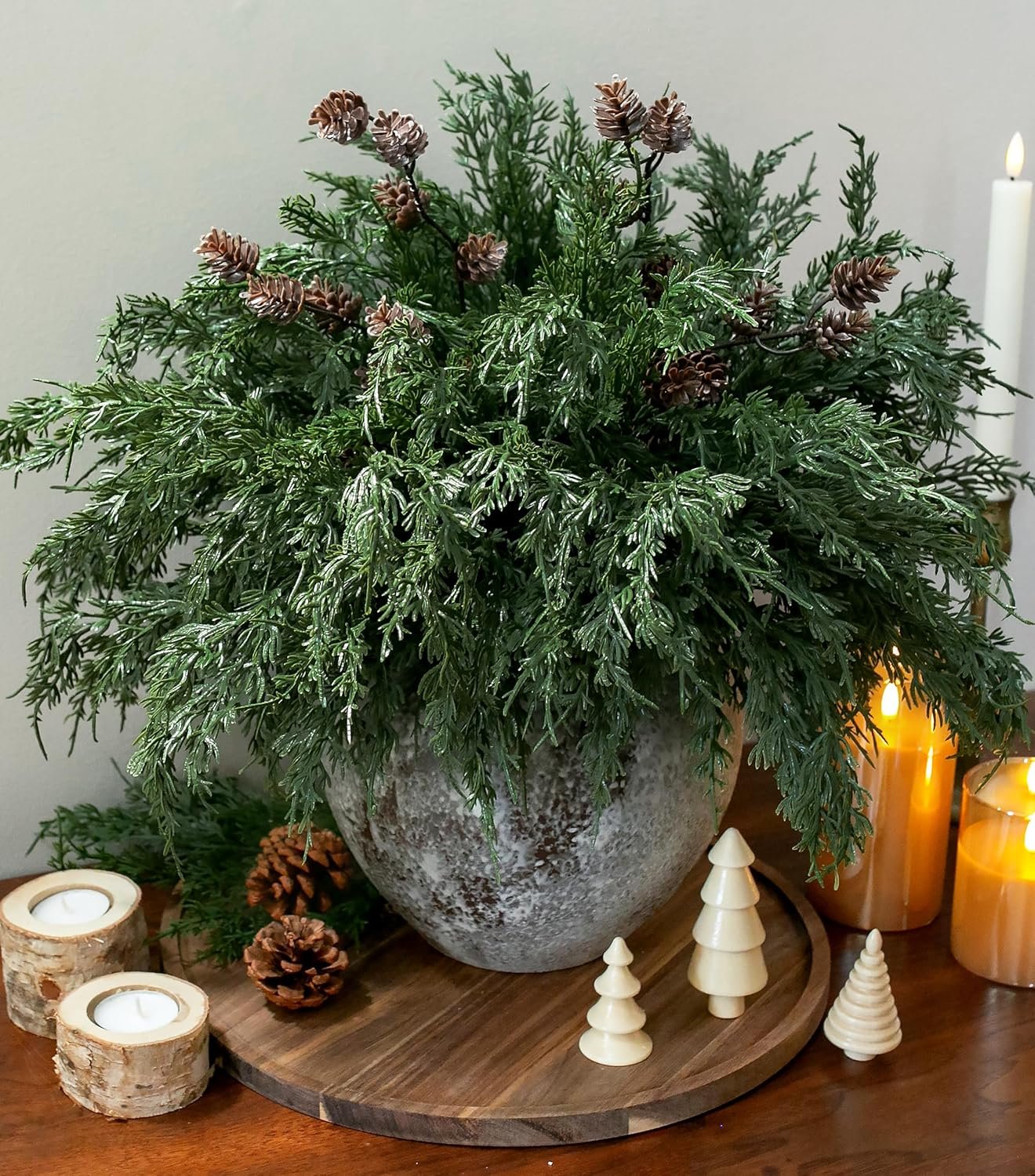
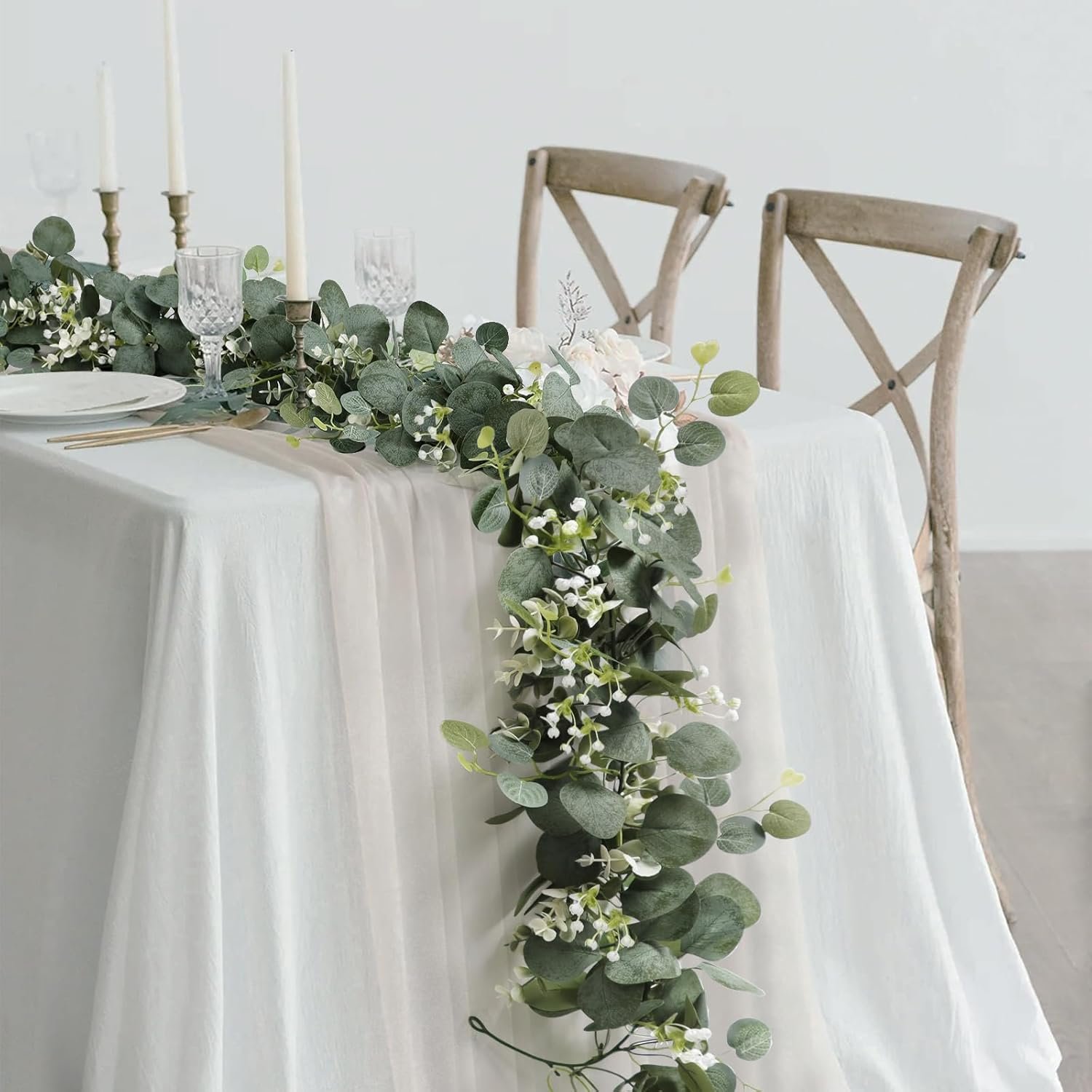
On my mantel, I arrange oversized concrete or metal candle holders in varying heights. I keep the arrangement asymmetrical rather than balanced, creating visual tension that feels dynamic. I’ll add a few evergreen branches—just a few—tucked into industrial vessels like metal buckets or concrete planters. The greenery provides life and seasonal reference without overwhelming the structural elements.
For centerpieces, I think like a sculptor. I’ll place a large concrete bowl or metal tray as my base, then add perhaps three substantial pillar candles in varying heights, a single architectural branch, and maybe one dramatic element like a large pinecone or a chunk of natural crystal. I resist the urge to fill every space. Empty space is a design element in Brutalist decorating.
Window displays become opportunities for geometric experimentation. I’ll create simple wreaths using just wire frames and minimal greenery, or I’ll hang industrial-inspired ornaments at varying heights using different lengths of black cord or chain against the window. The effect is sculptural and modern.

Brutalist Lighting for Christmas
Lighting in Brutalist Christmas decorating serves both function and sculpture. I move away from twinkling fairy lights draped everywhere and instead use lighting as architectural accent.
Edison bulb string lights work beautifully because of their industrial aesthetic. I string them with intention—along one specific beam, framing a window, or suspended across a room in deliberate geometric patterns rather than haphazard draping. The exposed filaments feel honest and raw.
Oversized industrial pendant lights or spotlights can highlight specific decorative elements, treating them like gallery installations. I’ve used simple clamp lights with exposed bulbs to uplight architectural features or cast dramatic shadows from sculptural decorations.
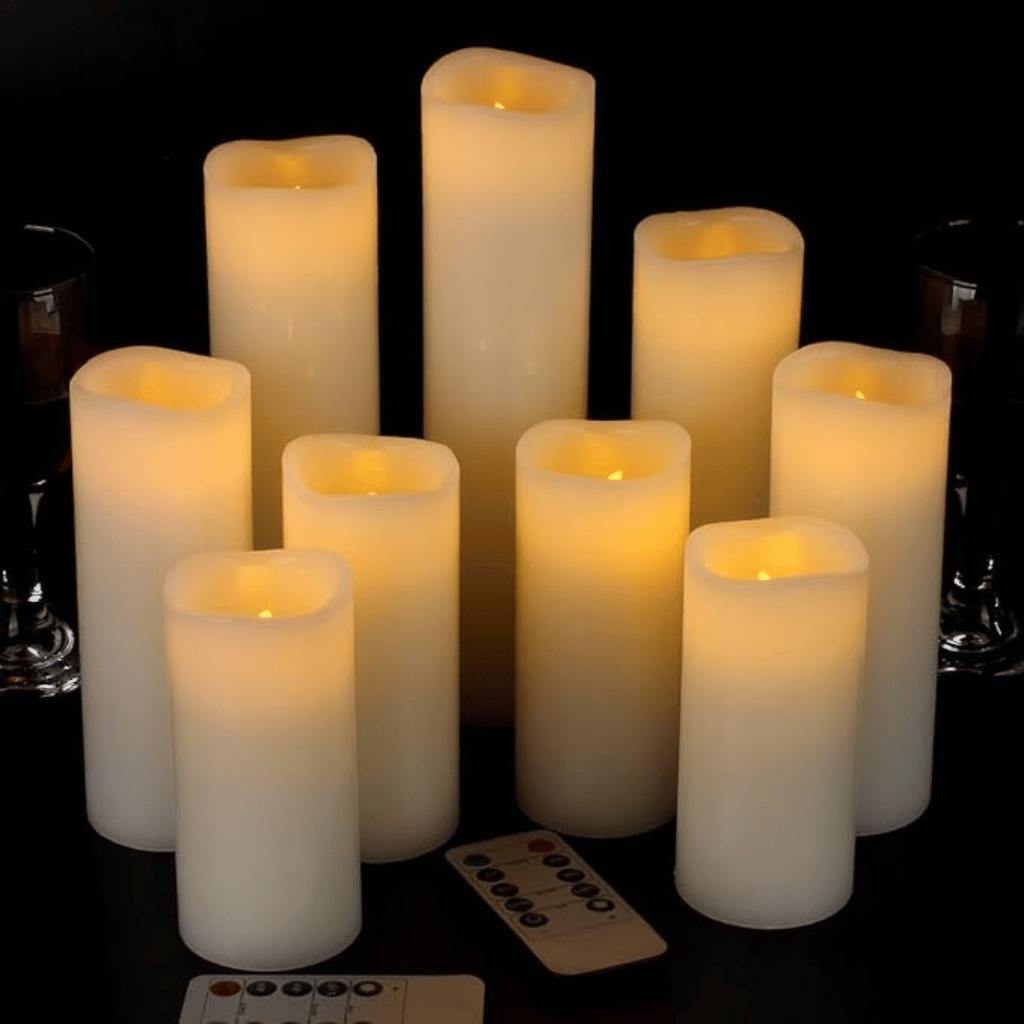
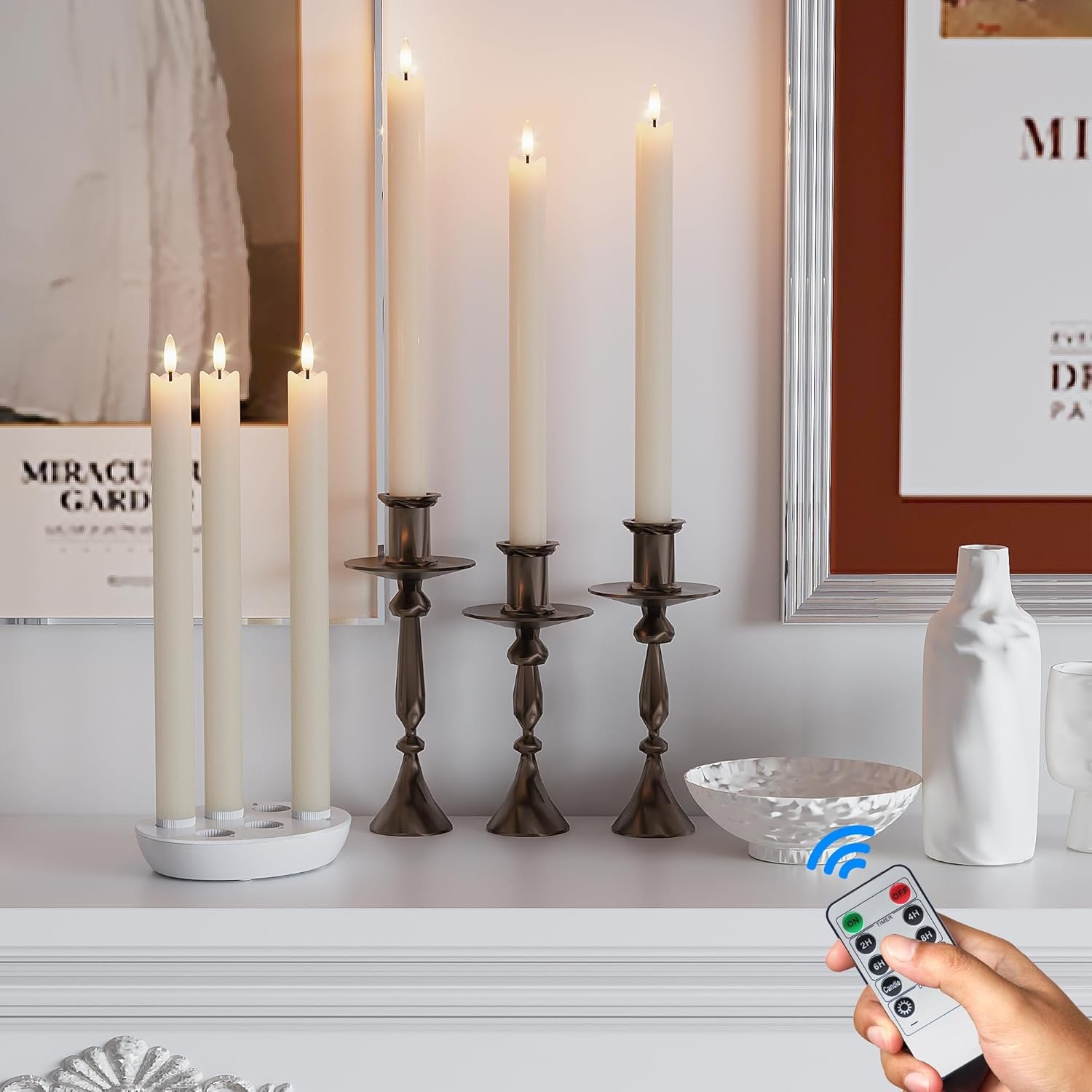
Candlelight becomes even more important in this aesthetic. I use substantial pillar candles in concrete, metal, or raw wood holders. The warm glow of flames against raw materials creates beautiful contrast and brings necessary warmth to the space.

Incorporating Natural Elements
Even within Brutalist Christmas decorating, I bring in natural elements—but I do it differently than traditional holiday decorating. Rather than abundant greenery everywhere, I use botanical elements as structural accents.
Large branches with interesting forms become sculptural elements. I might place a single dramatic branch in a concrete floor vase, treating it like a piece of art. Evergreen boughs get arranged sparingly, perhaps in just one corner or along a single shelf, rather than swagged throughout the entire space.
Pinecones, when used, are displayed almost like specimens—perhaps arranged in a geometric pattern on a concrete tray or placed individually on pedestals. I’m drawn to the architectural quality of natural forms when they’re given space and presented intentionally.

Brutalist Stockings and Textiles
Stockings and textiles in Brutalist Christmas decorating need to balance warmth with the aesthetic’s raw edge. I choose stockings in heavy materials—thick felted wool, raw canvas, or even leather. Simple geometric shapes work better than traditional stocking forms.
I hang them using industrial hardware—large metal hooks or even chunky rope rather than delicate stocking hangers. Sometimes I’ll skip traditional stockings entirely and use metal buckets or concrete vessels hung on a raw wood beam or metal rod.
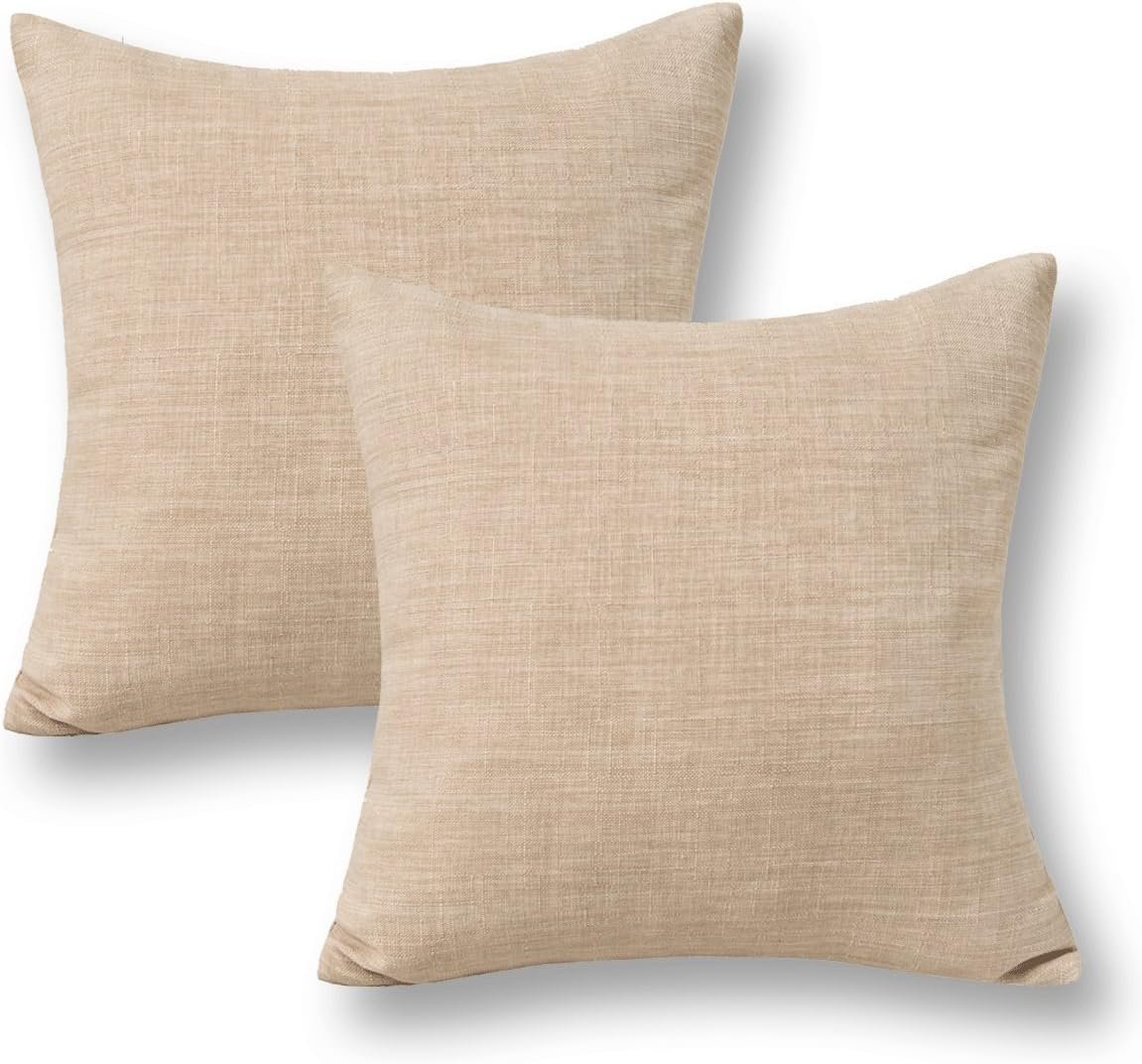
For throws and pillows that soften seating areas, I select textiles in the Brutalist color palette. Chunky knit throws in concrete gray or charcoal, linen pillows in natural tones, or wool blankets with bold geometric patterns all work. I avoid anything too soft or overly decorative—the textiles should feel substantial and purposeful.

The Brutalist Christmas Wreath
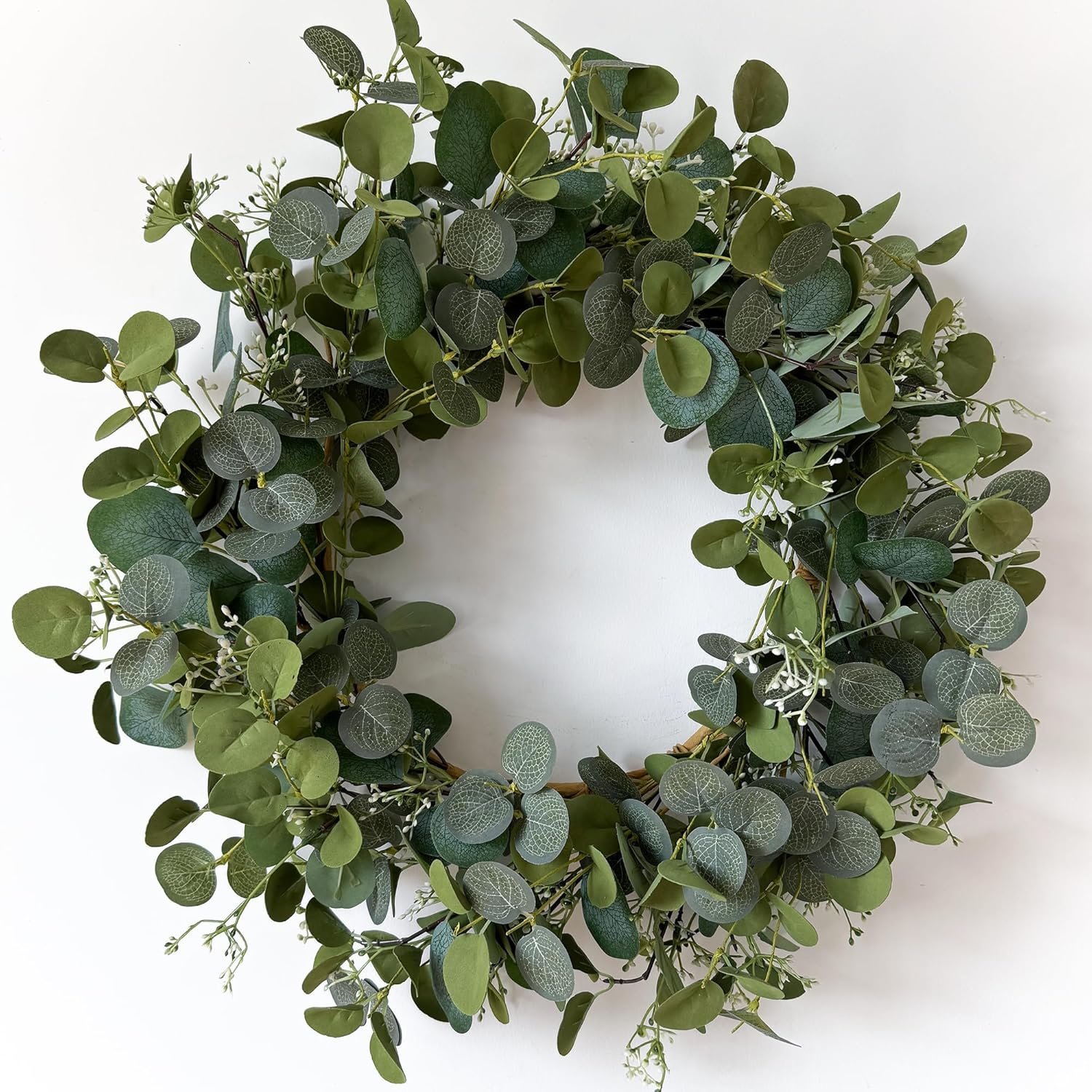
Creating a Brutalist-inspired wreath has become one of my favorite projects. Instead of a full, lush traditional wreath, I work with a visible structure.
I start with an exposed wire or metal frame, sometimes leaving portions of it completely bare. I add greenery in sections rather than covering the entire form, creating an asymmetrical, architectural arrangement. Sometimes I incorporate industrial elements—maybe wrapping part of the frame in metal wire, adding geometric metal forms, or incorporating concrete elements.
For door display, I hang the wreath on a simple metal hook or leather strap rather than decorative ribbon. The hardware becomes part of the design statement.

Making It Feel Warm and Inviting
The biggest question I get about Brutalist Christmas decorating is whether it can feel warm and inviting. The answer is absolutely yes, but it requires intentional choices.
Layering in warm materials is key. Raw wood tones alongside concrete, leather accents with metal, wool textiles against hard surfaces—these combinations create warmth while maintaining the aesthetic. Candlelight is crucial. The soft glow of flames brings life and warmth to raw materials in ways that no other light source can match.
I also make sure to have cozy seating with those substantial textiles I mentioned. A chunky knit throw draped over a leather chair, or linen pillows on a concrete-tone sofa create inviting spots that don’t compromise the design vision.
The scent layer matters too. I use candles or diffusers with warm, natural scents—cedar, pine, cinnamon, or woodsmoke—that create sensory warmth even when the visual aesthetic is cool and raw.

Where to Find Brutalist Christmas Decor
Sourcing Brutalist Christmas decorations requires creativity since this isn’t a style you’ll find in traditional holiday sections. I’ve had the best luck at architectural salvage shops, industrial supply stores, and artisan makers who work with concrete and metal.
Online marketplaces feature independent artists creating concrete decorations, metal ornaments, and architectural-inspired holiday pieces. I also create many items myself using concrete molds, which is surprisingly easy and incredibly satisfying.
For natural elements, I take walks and collect interesting branches and pinecones, selecting them for their form and structure. Hardware stores become treasure troves for industrial elements that can be repurposed as decorative items.

My Final Thoughts on Brutalist Christmas
Decorating for Christmas in a Brutalist style has completely changed how I think about holiday decorating. It’s taught me that restraint can be more powerful than abundance, that raw materials have their own inherent beauty, and that challenging traditional expectations can lead to something truly unique.
This style isn’t for everyone, and that’s okay. But if you’re drawn to modern architecture, industrial design, or minimalist aesthetics, Brutalist Christmas decorating offers a way to celebrate the season without compromising your design sensibility. You can honor holiday traditions while creating something that feels authentic to your aesthetic.
The beauty of this approach is its honesty. Nothing is hidden or disguised. Materials are what they are. Forms are bold and unapologetic. And somehow, within all that raw structure, there’s a warmth and intention that makes the holiday season feel meaningful in a completely different way.
If you love home decor and interior design as much as I do, check out these other articles I think you might like.
Best Minimalist Christmas 2025: Less is More
Best Modern Victorian Christmas 2025: A Fresh Take
Best Midcentury Modern Christmas Decorating: 2025 Stylish Holiday Guide