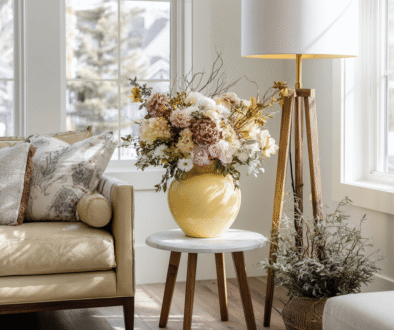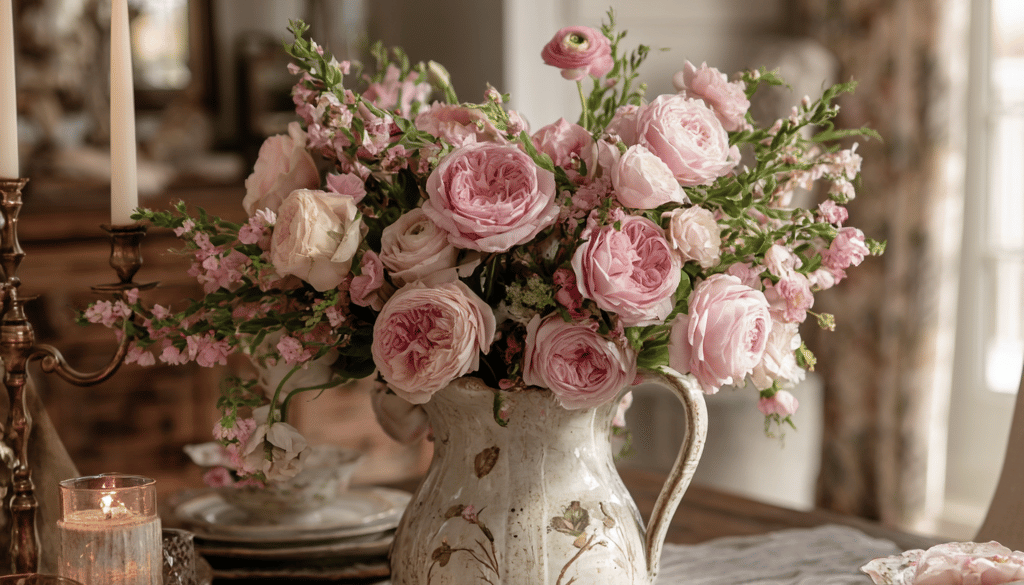
Best DIY Valentine’s Day Floral Arrangements for Your Home 2026
I absolutely love creating my own floral arrangements for Valentine’s Day. There’s something incredibly satisfying about designing beautiful displays that fill your home with romance and charm without spending a fortune at the florist.
Today, I’m sharing everything I’ve learned about creating stunning DIY Valentine’s floral arrangements that look professionally designed. Whether you’re decorating for a special dinner or just want to bring some seasonal beauty into your everyday spaces, these tips will help you create gorgeous arrangements that make your heart sing.
If you are looking to add some awesome seasonal shirts into your wardrobe this year, click on the images below. Use code WINTER15 for a 15% discount on top of our current sale price while supplies last. That is a total of 40% OFF!!!! We ship to the USA and Canada.
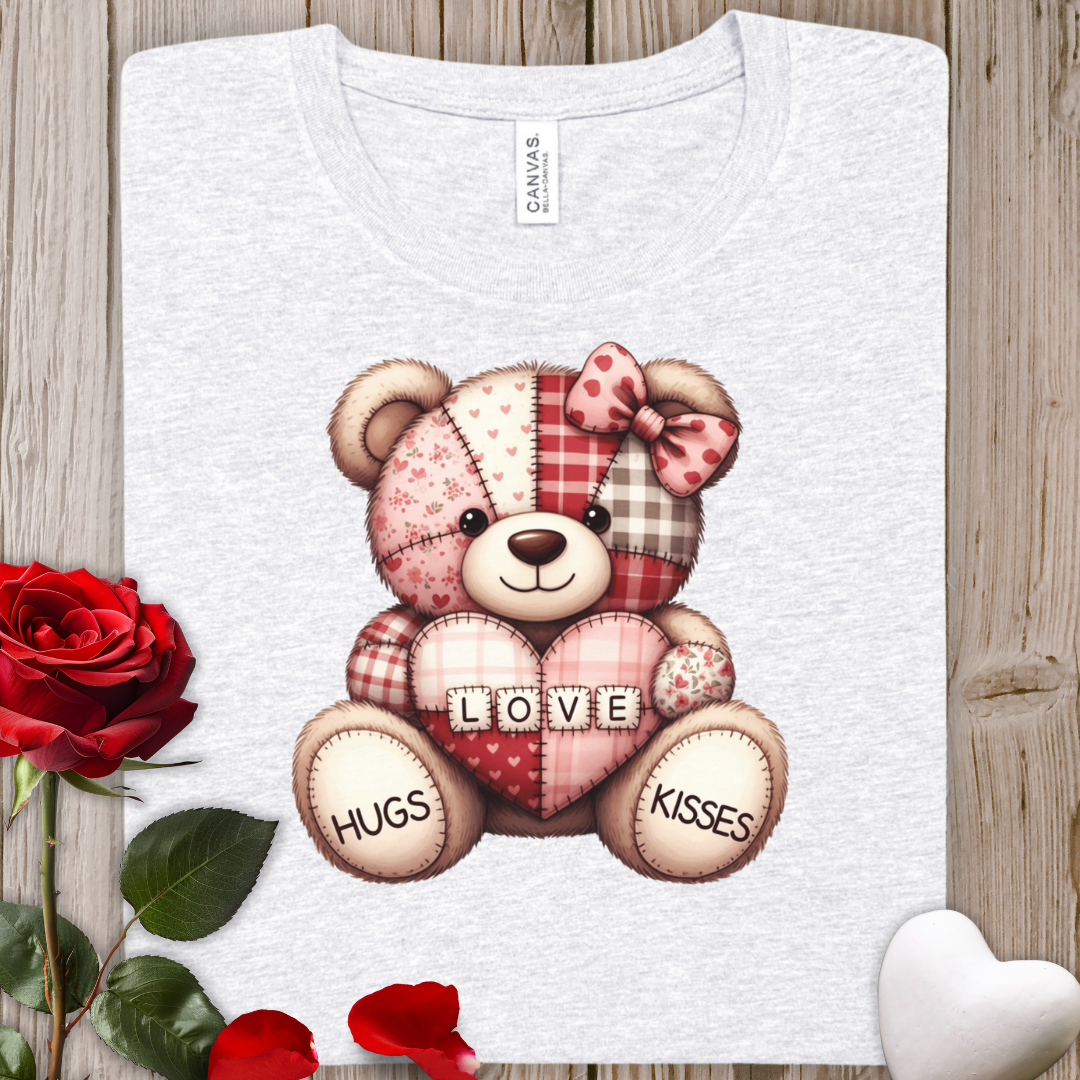

SHOP THE LOOK!


Why I Choose DIY Floral Arrangements
Creating my own Valentine’s arrangements has completely transformed how I decorate for the season. The cost savings alone make it worthwhile—I can create three or four beautiful arrangements for what I’d spend on a single bouquet from a florist.
But beyond the budget-friendly aspect, there’s real joy in the creative process. I get to choose exactly the flowers, colors, and styles that match my home’s aesthetic. Plus, DIY arrangements let me create custom sizes that fit perfectly in my specific spaces.

Essential Supplies for Valentine’s Floral Arrangements
Before diving into specific arrangement ideas, let me share the basic supplies I always keep on hand. These tools make the process so much easier.
Vases and containers are your foundation. I collect various sizes throughout the year—vintage milk glass pieces, clear cylinder vases, ceramic pitchers, and even repurposed mason jars. Each container brings its own personality to an arrangement.
Floral foam is incredibly helpful for creating structured arrangements. I soak it in water before use, which keeps flowers hydrated and exactly where I want them.
Sharp scissors or floral shears make clean cuts that help flowers absorb water properly. This simple tool dramatically extends the life of your arrangements.
Floral tape and wire help secure stems and create more complex designs. I particularly love using wire for bending branches or creating interesting structural elements.

Choosing the Perfect Valentine’s Flowers
Selecting the right flowers sets the tone for your entire arrangement. I’ve learned which blooms work best for different looks and settings.
Roses remain the classic Valentine’s choice for good reason. I love mixing different rose varieties—try combining standard roses with spray roses or garden roses for dimensional interest. Don’t limit yourself to red, either. Blush pink, cream, burgundy, and even coral roses create stunning Valentine’s displays.
Tulips bring such elegant simplicity to arrangements. Their graceful stems and cup-shaped blooms feel both romantic and modern. I adore French tulips with their slightly ruffled petals.
Ranunculus are my secret weapon for creating luxurious-looking arrangements on a budget. These blooms have layers upon layers of delicate petals that photograph beautifully and last surprisingly well.
Carnations deserve more love than they typically get. Modern varieties in deep burgundy, cream, or soft pink look nothing like the gas station bouquets of the past. They’re incredibly long-lasting too.
Anemones add dramatic flair with their dark centers and paper-thin petals. I use them as focal points in arrangements because they naturally draw the eye.

Color Palettes Beyond Traditional Red
While I certainly appreciate classic red and pink combinations, exploring different color stories has expanded my Valentine’s decorating in exciting ways.
Burgundy and cream creates sophisticated romance. This palette feels mature and elegant, perfect for formal dining spaces or bedrooms.
Blush and champagne offers soft, dreamy Valentine’s beauty. These gentle tones work wonderfully in bright, airy rooms with lots of natural light.
Coral and peach brings fresh, modern energy to Valentine’s decorating. I love this palette for kitchens and breakfast nooks where you want uplifting color.
Lavender and soft pink creates whimsical, romantic displays with a slightly unexpected twist. This combination feels particularly lovely in bedrooms or reading nooks.
White and greenery delivers clean, elegant Valentine’s style. This approach works beautifully if your home has a minimalist or Scandinavian aesthetic.

Creating Balanced Arrangements
Learning to design balanced arrangements transformed my DIY florals from amateur to impressive. Let me share the principles that guide my process.
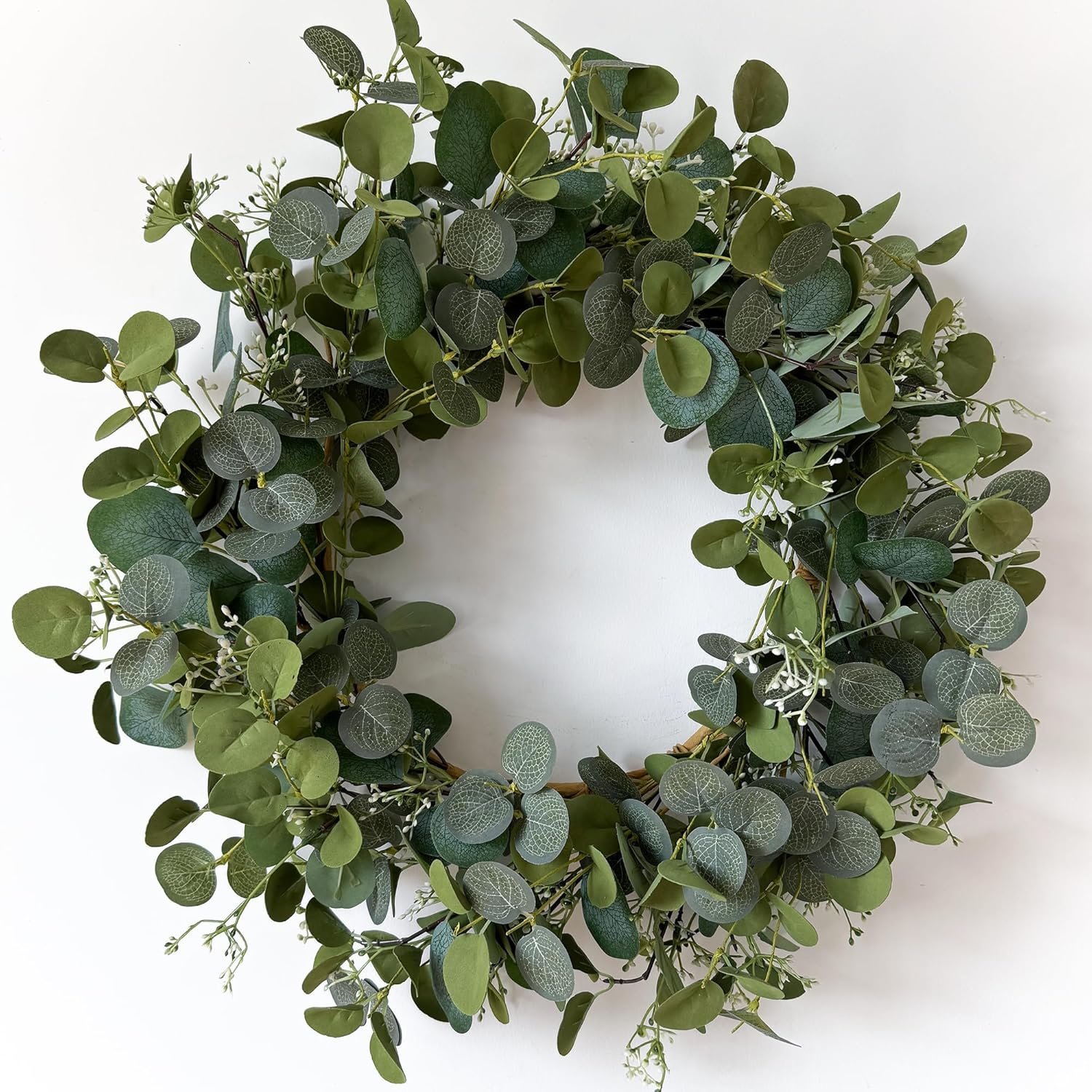
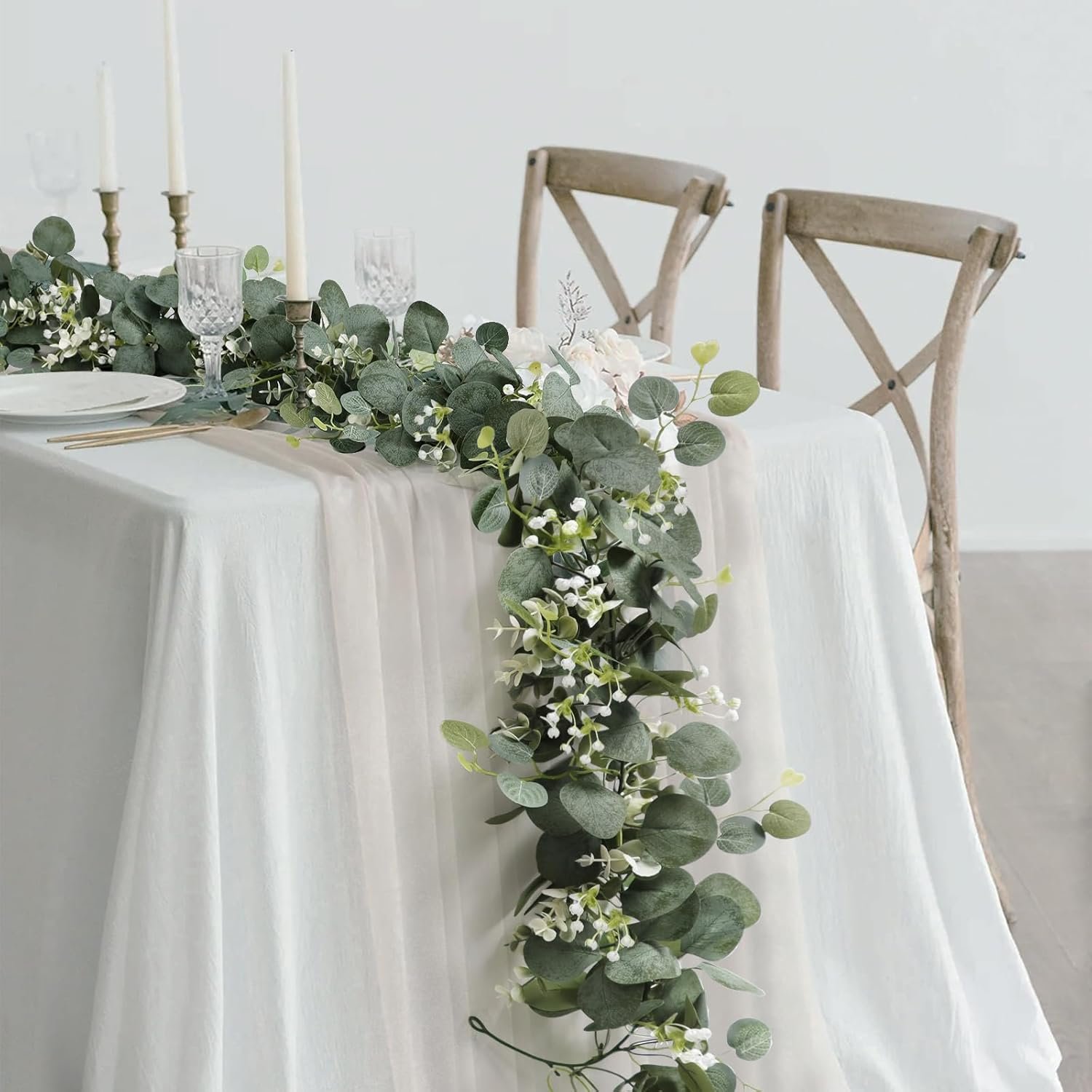
Start with greenery as your foundation. I add eucalyptus, olive branches, or ferns first to establish the arrangement’s overall shape and size. This greenery also helps hide the mechanics of your design.
Add focal flowers next. These are your largest, most dramatic blooms—typically roses, peonies, or large dahlias. Place them at varying heights to create visual interest.
Fill with secondary flowers to add texture and dimension. Smaller blooms like spray roses, waxflower, or stock fill the spaces between focal flowers beautifully.
Incorporate texture through interesting foliage, berries, or filler flowers. This layering creates depth and keeps arrangements from looking flat.
Create movement by allowing some stems to extend beyond the main body of the arrangement. I often let wispy foliage or delicate flowers cascade naturally over the container’s edge.

Arrangement Styles for Different Spaces
I’ve developed favorite arrangement approaches for various rooms in my home. Each space calls for different proportions and styles.
Dining table centerpieces should be low enough for conversation to flow easily. I create wide, horizontal arrangements that run down the table’s center or cluster several smaller arrangements together.
Entryway displays can be taller and more dramatic since they’re viewed from a distance. I love placing a generous arrangement on a console table to welcome guests with immediate Valentine’s charm.
Bedroom arrangements feel most romantic in soft, organic styles. I prefer loose, garden-style designs with flowers at varying heights that look naturally gathered.
Kitchen arrangements work best in cheerful, casual styles. I often use vintage pitchers or simple mason jars for an approachable, farmhouse-inspired look.
Bathroom arrangements require compact designs that fit on vanities or shelves. Small bud vases with just a few stems create sweet touches of Valentine’s beauty.

Budget-Friendly Sourcing Strategies
Creating beautiful arrangements doesn’t require expensive florist prices. I’ve discovered several smart sourcing approaches.
Grocery store flowers have dramatically improved in quality and variety. I regularly find beautiful roses, tulips, and mixed bouquets at fraction of specialty florist prices. Shopping early in the week typically offers the best selection.
Wholesale flower markets are my favorite secret for significant savings. Many markets allow public shopping on certain days. You’ll need to buy in bulk, but the cost per stem is incredibly low.
Garden clippings add free, organic beauty to arrangements. Even in February, I can usually find evergreen branches, dried hydrangeas, or interesting bare branches to incorporate.
Trader Joe’s consistently offers excellent flower values. Their pre-made bouquets can be broken apart and rearranged into multiple smaller displays.
Farmer’s markets sometimes feature flower vendors with unique, locally-grown blooms. The quality is typically exceptional, and you’re supporting small growers.

Extending Arrangement Longevity
After investing time in creating beautiful arrangements, I want them to last as long as possible. These care practices make a real difference.
Cut stems at an angle under running water immediately before placing them in your arrangement. This angle increases the surface area for water absorption.
Remove all foliage that would sit below the waterline. Submerged leaves decay quickly and create bacteria that shortens flower life.
Change the water daily if possible, or at minimum every other day. Fresh, clean water keeps flowers hydrated and healthy.
Add flower food to the water following package directions. Those little packets actually work—they provide nutrients and prevent bacterial growth.
Keep arrangements away from direct sunlight and heat sources. Moderate temperatures and indirect light extend bloom life significantly.
Trim stems every few days by cutting an inch from the bottom. This removes any stem blockage and improves water uptake.

Creative Container Ideas
The right vessel elevates an arrangement from pretty to extraordinary. I’ve collected containers that bring unique personality to my Valentine’s florals.
Vintage teacups and teapots create charming, romantic displays perfect for small spaces. I hunt for these at thrift stores and antique shops.
Mercury glass vases add instant elegance with their reflective, aged surfaces. The silvery finish complements nearly any color palette.
Galvanized buckets bring farmhouse charm to Valentine’s arrangements. I love this casual approach for kitchen islands or covered porches.
Clear glass cylinders showcase stems and water for a modern, architectural look. These simple vessels keep the focus entirely on the flowers.
Ceramic pitchers offer vintage appeal and work beautifully for loose, organic arrangements with a French country feeling.

Adding Special Touches
Small details transform good arrangements into memorable ones. I incorporate these finishing elements whenever possible.
Ribbon wrapped around containers adds soft texture and reinforces your color palette. I prefer silk or velvet ribbons for Valentine’s arrangements.
Decorative elements tucked into arrangements create layers of interest. Small hearts, pearl sprays, or vintage valentines add whimsical charm.
Candlelight paired with arrangements multiplies the romantic ambiance. I place votives or taper candles near floral displays for evening magic.
Scented elements enhance the sensory experience. Adding fragrant herbs like lavender or rosemary introduces lovely aromatherapy benefits.

Arrangement Ideas for Various Skill Levels
Whether you’re new to floral design or have experience, I have arrangement approaches that will work for you.
Beginner: Simple Hand-Tied Bouquet – Gather 10-15 stems of mixed flowers. Remove lower leaves. Hold stems together and rotate as you add each flower. Secure with twine and trim stems to equal length. Place in a vase.
Intermediate: Grid-Taped Arrangement – Create a grid over your vase opening using clear floral tape. Insert flowers through the grid openings, using the tape to support stems at desired angles. The grid provides structure while remaining invisible.
Advanced: Asymmetrical Design – Create a dynamic arrangement with visual weight shifted to one side. Use mechanics like chicken wire in the vase to support the asymmetrical structure. This style requires more flowers but creates dramatic impact.
I hope these tips inspire you to create your own stunning Valentine’s floral arrangements this year. The joy of designing something beautiful with your own hands adds such meaningful warmth to your home’s seasonal decor.
Remember, floral arranging is an art form that improves with practice. Don’t be discouraged if your first attempts don’t look exactly like your inspiration photos. Each arrangement teaches you something new about balance, color, and design.
Happy arranging, and may your home bloom with beauty this Valentine’s Day!
If you love home decor and interior design as much as I do, check out these other articles I think you might like.
Best Valentine’s Day Bookshelf Styling: Ideas & Tips 2026