Winter to Valentine’s Day: Best Seasonal Décor Transitions 2026
I’ll never forget the first time I tried transitioning my winter décor straight into Valentine’s Day. I was standing in my living room, staring at my cozy winter setup, and wondering how on earth I was going to make the shift without completely starting from scratch. That’s when it hit me—these two seasons actually work beautifully together if you know how to bridge them.
Winter décor doesn’t have to disappear the moment January ends. In fact, I’ve discovered that the best approach is creating a seamless transition that carries your winter aesthetic right into Valentine’s Day. It’s about layering, not replacing. And trust me, once you understand this concept, decorating becomes so much easier and more budget-friendly.
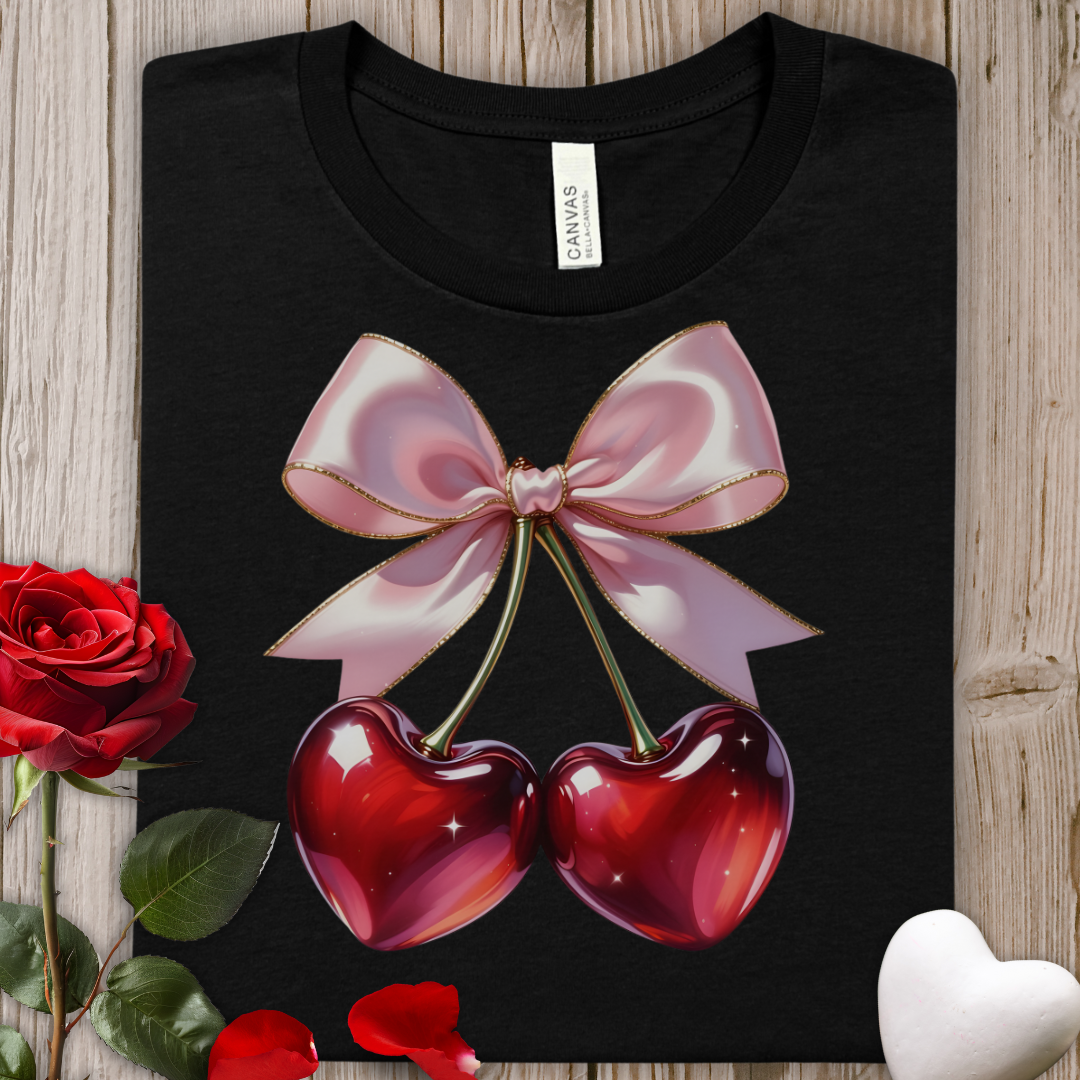
If you are looking to add some awesome seasonal shirts into your wardrobe this year, click on the images below. Use code WINTER15 for a 15% discount on top of our current fall price while supplies last. That is a total of 40% OFF!!!! We ship to the USA and Canada.



SHOP THE LOOK!




Understanding the Winter to Valentine’s Transition
The key to successfully merging winter and Valentine’s décor lies in recognizing what these seasons share. Both celebrate coziness, warmth, and intimacy. Winter gives us those crisp, clean aesthetics with whites, silvers, and icy blues. Valentine’s Day brings romance with reds, pinks, and soft textures. When you combine them, magic happens.
I’ve learned that starting with a neutral winter base makes everything flow naturally. Think about it—white, cream, and soft gray create the perfect canvas. These colors work for January’s fresh start and February’s romantic vibes. You’re not fighting against your existing décor; you’re enhancing it.
The transition period typically runs from late January through mid-February. During this time, I gradually introduce Valentine’s elements while maintaining winter’s cozy foundation. It’s a slow reveal rather than an abrupt change.

Creating Your Base Winter Palette
My winter décor starts with what I call the “foundation layer.” This includes neutral furniture throws, white or cream pillow covers, and natural textures like cable knit and faux fur. These pieces stay throughout the entire season because they work with everything.
I always incorporate metallic accents during winter. Silver candle holders, mercury glass vases, and brushed nickel picture frames give that frosty, elegant feel. The beauty of metallics is their versatility—they transition perfectly into Valentine’s décor without looking out of place.
Wood elements play a crucial role too. I use light-washed woods or whitewashed pieces that maintain that airy winter feeling. Wooden trays, bowls, and candlesticks become staging areas for seasonal touches. They ground the space while keeping things sophisticated.
Texture matters more in winter than any other season. I layer different fabrics—chunky knits with smooth velvets, rough linens with soft faux fur. This creates visual interest and physical warmth. When Valentine’s Day arrives, these textures simply get paired with new colors.

Introducing Valentine’s Elements Gradually
Around the last week of January, I start introducing subtle hints of Valentine’s Day. I’m talking really subtle here. Maybe a single pink pillow joins my collection of winter whites. Perhaps a few rose gold accents appear among my silver pieces. The change is whisper-quiet.
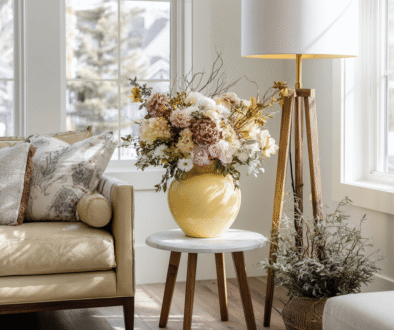
Fresh flowers become my bridge between seasons. White tulips, cream roses, and pale pink peonies work perfectly. They feel wintery yet romantic. I place them in clear glass or white ceramic vases that match my existing winter décor. As we move closer to February 14th, I gradually add deeper pink and red blooms.
Candles are another seamless transition tool. I swap out crisp winter scents like pine and peppermint for softer fragrances like vanilla, rose, and amber. The candle holders stay the same, but the scents signal the seasonal shift. It’s subtle but effective.
Books and decorative objects offer easy opportunities for change. I stack vintage romance novels on coffee tables or add heart-shaped trinket boxes to shelves. These pieces feel collected rather than themed, which keeps the look sophisticated.

Color Psychology and Pairing Strategies
Understanding color relationships has transformed how I decorate. Winter’s cool tones and Valentine’s warm tones actually complement each other beautifully when you use the right approach. The secret is finding the bridge colors that belong to both palettes.
Blush pink is your best friend during this transition. It’s warm enough to feel romantic but soft enough to work with winter whites and grays. I use blush in pillows, throws, and small décor pieces. It never overwhelms the space.
Deep burgundy and wine colors add richness without screaming Valentine’s Day. These sophisticated shades pair gorgeously with winter’s neutral base. I incorporate them through velvet ribbons, candles, and small accent pieces. They feel elegant and mature.
Metallics bridge everything together. Rose gold, in particular, works wonders. It’s warm like Valentine’s Day but has that metallic sheen that fits winter aesthetics. I mix rose gold with silver and champagne tones for a layered, collected look.

Room-by-Room Transition Guide
Starting in the living room, I maintain my cozy winter setup but add romantic touches. My winter white sofa gets a few blush and burgundy pillows. The coffee table keeps its whitewashed tray but now holds pink candles and a small arrangement of pale roses. The mantel stays relatively neutral with white candles and greenery, but I weave in some silk ribbon in soft pink.
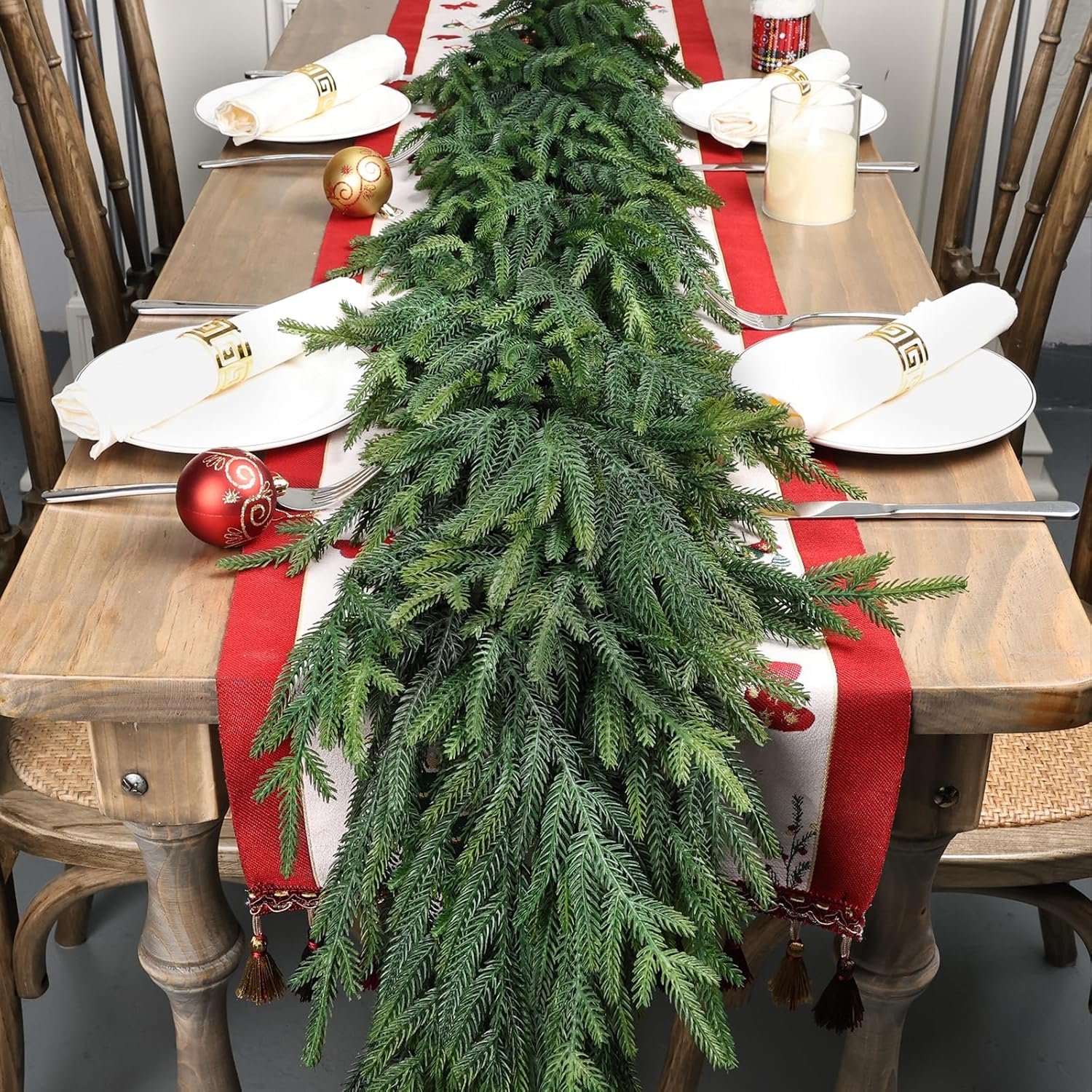
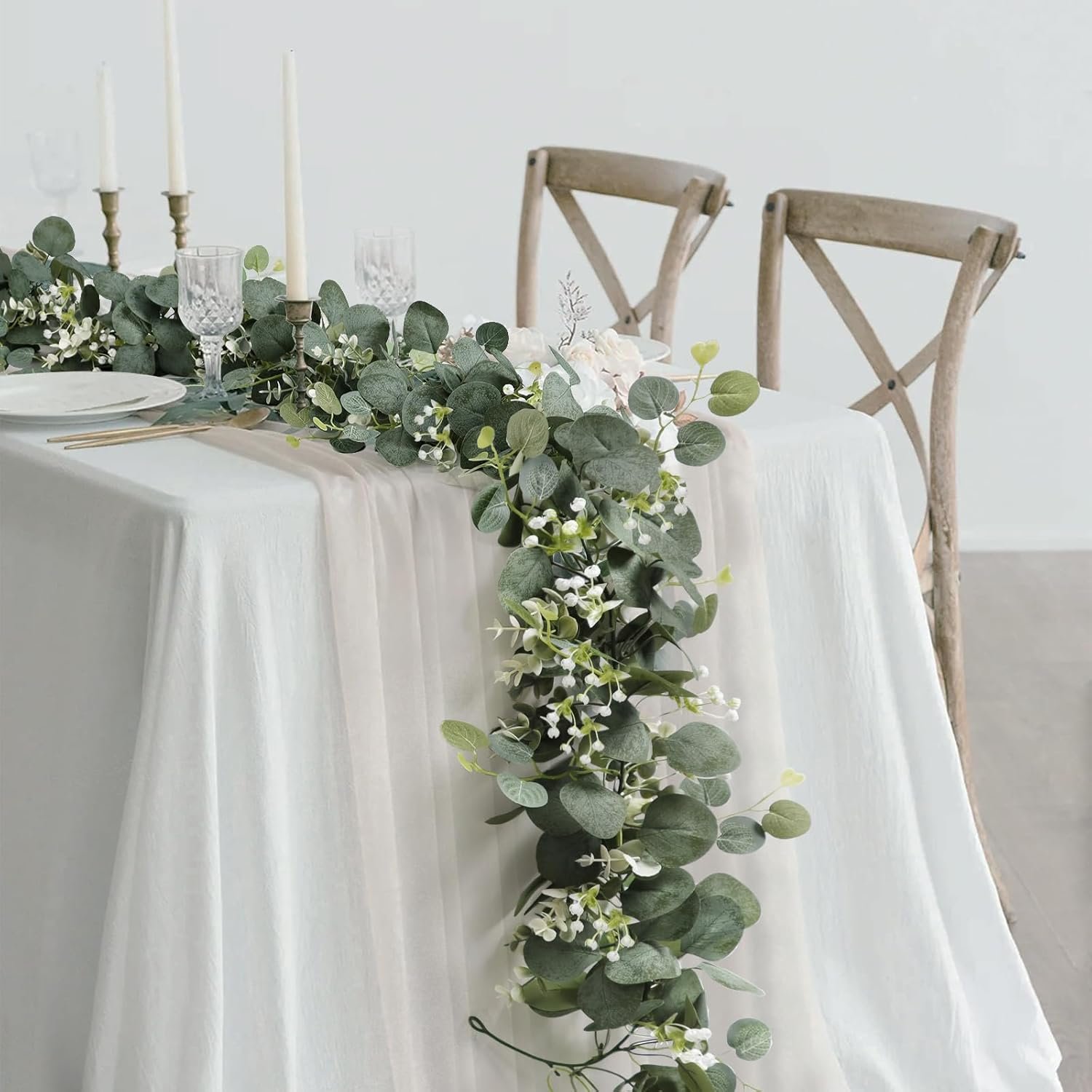
The dining room deserves special attention during this period. I keep my winter table runner—usually white linen or burlap—and layer Valentine’s elements on top. A garland of eucalyptus mixed with spray roses runs down the center. I use my everyday white dishes but add pink cloth napkins tied with twine and a sprig of lavender.
My bedroom becomes an especially romantic retreat. The winter white bedding stays, but I add a burgundy velvet throw at the foot of the bed. Nightstands get small bud vases with single roses. I swap battery-operated string lights from cool white to warm white, creating a softer ambiance.
The entryway sets the tone for your entire home. I keep my winter wreath on the door but add a simple burgundy velvet bow. Inside, a console table holds a white ceramic bowl filled with conversation hearts mixed with white decorative balls. It’s playful yet sophisticated.

Textiles and Fabrics That Work Double Duty
Investing in versatile textiles has saved me so much money over the years. Cream, white, and gray throws work for winter and transition seamlessly into Valentine’s décor. I layer them with seasonal accent pillows rather than replacing everything.
Velvet is my secret weapon. A cream velvet pillow works in winter, but add a burgundy or blush velvet pillow beside it, and suddenly you’ve got Valentine’s vibes. The texture reads as luxurious and romantic regardless of color.
Cable knit patterns work year-round in neutral colors. I use cable knit pillow covers in cream during winter, and they look perfect when surrounded by Valentine’s pinks and reds. The texture adds coziness that both seasons demand.
Faux fur remains relevant throughout this entire period. White or gray faux fur throws draped over chairs or sofas maintain that winter coziness while providing a romantic, luxurious backdrop for Valentine’s accents. It’s the ultimate multi-season texture.

Natural Elements and Organic Touches
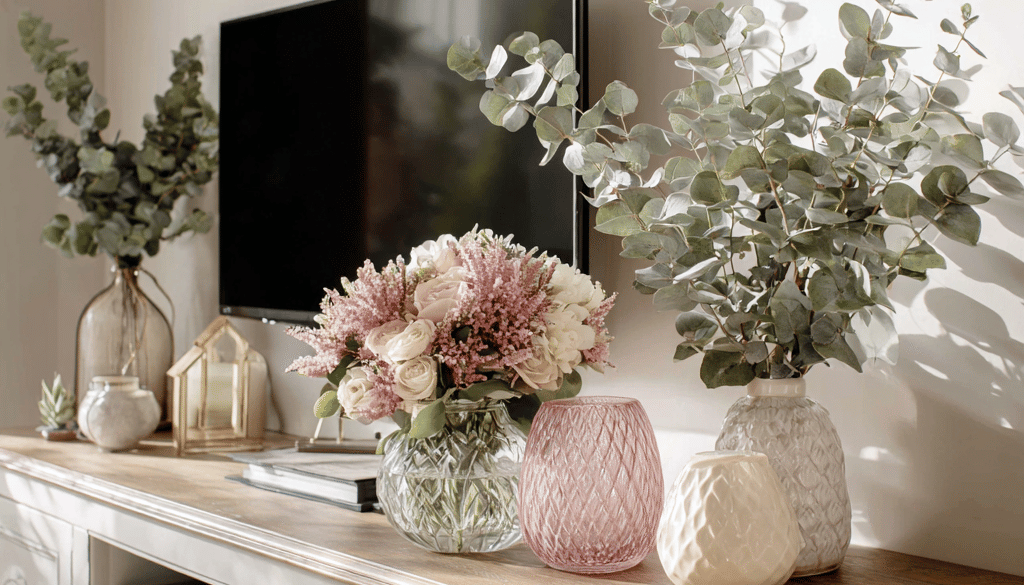
I rely heavily on natural materials during this transition. Eucalyptus branches work beautifully for both seasons. Their silvery-green color suits winter perfectly, and they pair gorgeously with pink and red roses for Valentine’s Day. I buy large bunches and use them everywhere—mantels, tables, shelves.
Birch branches bring that winter woodland feel while creating height and structure for Valentine’s arrangements. I place them in tall vases and weave in some silk flowers or ribbon as February approaches. They’re architectural and romantic simultaneously.
Dried flowers have become increasingly popular, and for good reason. Pampas grass, bunny tails, and dried roses work for months. I use them in neutral arrangements during January and simply add fresh pink blooms or red berries as Valentine’s Day nears.
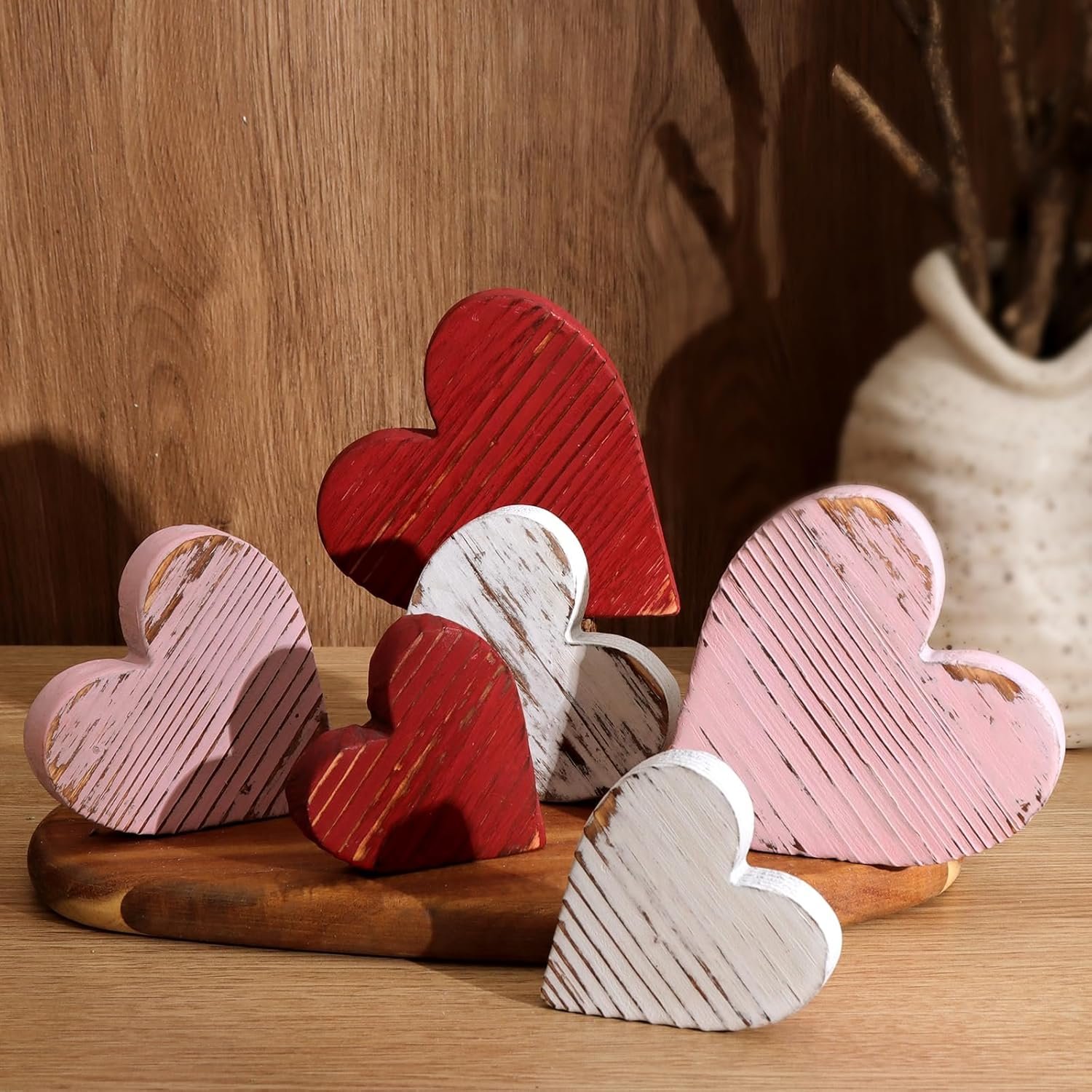
Wooden beads on garland strung across mantels or windows provide texture without commitment to any particular holiday. They feel natural and organic. I keep them up through both seasons, sometimes adding heart-shaped wooden cutouts between the beads.

Lighting Strategies for Ambiance
Lighting transforms the mood of any space, and it’s crucial during this seasonal transition. I use warm white LED candles extensively. They provide that cozy winter glow but feel romantic enough for Valentine’s Day. I place them in clusters on tables, mantels, and shelves.
String lights remain up from winter but get relocated. Instead of draping them across windows, I wrap them around mirrors or place them inside glass hurricanes with pine cones in January and rose petals in February. Same lights, different styling.
Table lamps with soft pink or cream shades create beautiful ambient lighting. I switch out my lamp shades seasonally, and the soft glow they provide works perfectly for intimate Valentine’s dinners or cozy winter evenings.
Real candles in varying heights create drama and romance. I group them on trays—white candles during peak winter, then gradually introduce pink and red tapers as Valentine’s Day approaches. The flickering flame is timeless and works for any romantic occasion.

Budget-Friendly Transition Tips
You don’t need to buy all new décor every season. I’ve learned to shop my house first. That pink throw blanket from spring? It works for Valentine’s Day. Those clear glass vases from summer? Perfect for winter to Valentine’s flowers.
Dollar stores and thrift shops become treasure troves during this time. I find white pitchers, clear vases, and neutral trays that work as foundations. These pieces serve multiple purposes across seasons. I invest in one or two quality Valentine’s pieces each year and build my collection slowly.
DIY projects stretch your budget significantly. I make simple garlands using twine, paper hearts, and eucalyptus clippings. I fill glass jars with Epsom salt for a snowy look in January, then swap to pink and white candies for Valentine’s Day. Same jar, different filling.
Natural elements cost very little or nothing at all. I gather branches from my yard, use pine cones collected during winter walks, and clip greenery from bushes. These organic touches feel expensive but don’t cost a dime. Nature provides the best décor.

Maintaining Sophistication While Being Festive
The challenge with Valentine’s décor is avoiding a juvenile, overly themed look. I maintain sophistication by limiting obvious Valentine’s imagery. Instead of cartoon hearts everywhere, I use subtle nods to the holiday through color and texture.
Quality over quantity always wins. Five beautiful elements thoughtfully placed beat twenty cheap decorations scattered everywhere. I choose each piece intentionally, asking whether it enhances the space or just fills it.
Mixing vintage and modern pieces creates a collected, curated feel. I pair vintage brass candlesticks with modern geometric vases. Old books stack beside contemporary art prints. This eclectic approach feels personal rather than store-bought.
Keeping the palette sophisticated is essential. Deep burgundy, blush pink, and cream look elegant. Hot pink, bright red, and purple can feel juvenile. I stick to muted, mature tones that could exist in any high-end design magazine.

Final Touches and Styling Tricks
Layering creates depth that makes spaces feel professionally designed. I never place items directly on surfaces. Everything goes on a tray, in a bowl, or on a stack of books. This creates vignettes rather than clutter.
The rule of three guides my styling. I group items in odd numbers—three candles, five books, seven decorative objects. This creates visual balance and feels more natural than even numbers.
Height variation keeps the eye moving. I use cake stands, books, and pedestals to create different levels within an arrangement. A low bowl of roses, a medium-height candle, and a tall eucalyptus branch create interest.
Negative space matters as much as the décor itself. I leave breathing room around arrangements. Not every surface needs decoration. Sometimes the most elegant statement is restraint.

Living With Your Seasonal Décor
The best part about this transitional approach is that it feels natural and unforced. Your home evolves gradually rather than changing overnight. Guests don’t notice the shift happening—they just feel the warmth and romance building.
I change small things weekly. One week I add pink candles. The next week, a new arrangement appears. This keeps decorating fun and prevents that overwhelming feeling that comes with complete seasonal overhauls.
By mid-February, my home celebrates Valentine’s Day while maintaining winter’s cozy foundation. After February 14th, I simply remove the obviously Valentine’s elements while keeping the romantic base for the remainder of winter. The transition out is as easy as the transition in.
This approach has changed how I think about seasonal decorating. Instead of distinct holidays requiring complete makeovers, I see seasons as flowing into one another. Winter carries into Valentine’s Day, which flows into early spring. It’s easier, more budget-friendly, and honestly, more beautiful. Your home feels like it belongs to you rather than looking like a holiday store exploded inside it.
If you love home decor and interior design as much as I do, check out these other articles I think you might like.
Best Neutral Winter Decorating Ideas for a Cozy Home 2026
Best Outdoor Winter Decorating Ideas to Transform Your Space in 2026